Before Surfside tragedy, neighboring tower faced opposition, delays over construction impact

Eighty Seven Park’s footprint moved closer to collapse site following sweetheart deal with Miami Beach
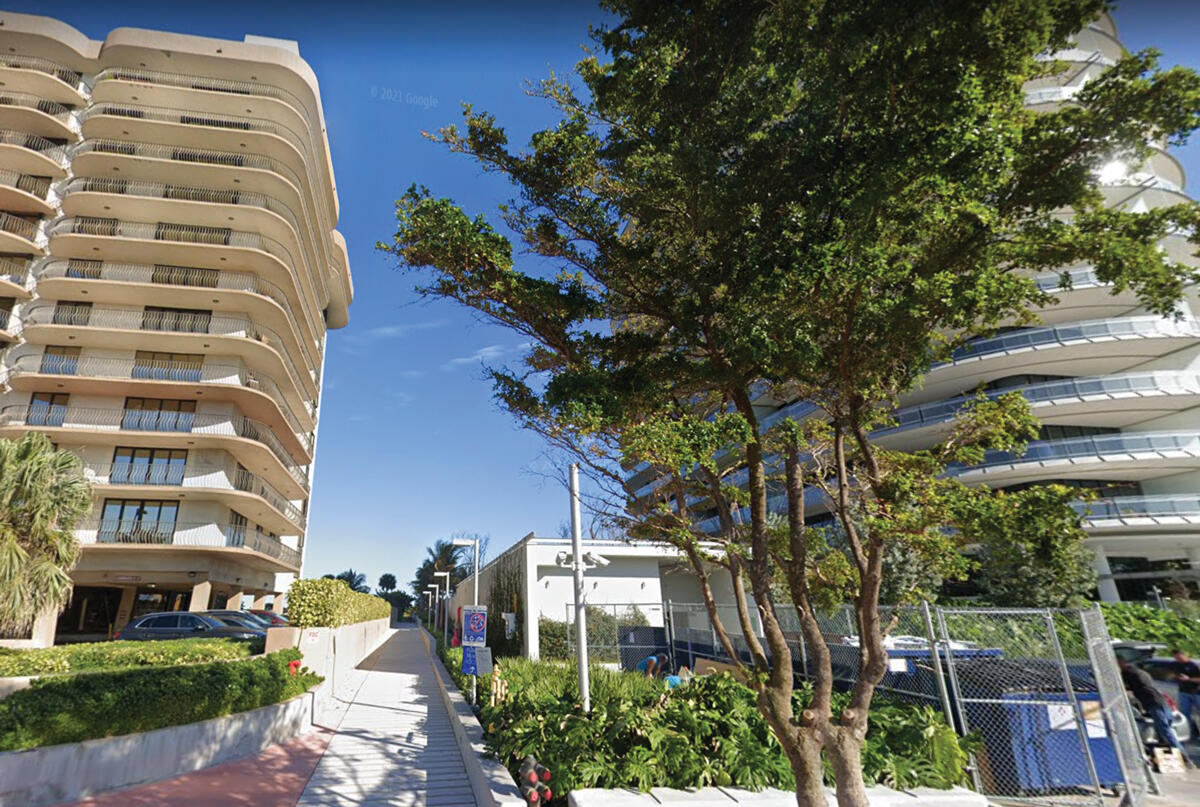
After the construction of Eighty Seven Park (Google Maps)

When developer David Martin acquired the Dezerland Hotel, a former Howard Johnson’s that was built in 1951, his plan was to restore the North Beach building to its original glory. The stakes were high for Martin, as the project would mark his first oceanfront development.

The property, on the northern border of Miami Beach next to Surfside, was not designated historic. And less than a year after the 2013 purchase, a Martin-led entity hammered out an agreement with the city of Miami Beach that increased the project’s footprint, expanding it closer to the Surfside border and just feet from Champlain Towers South.

Publicly, plans also changed: Now Martin’s development firm, Terra, and its partners would build a luxury condo tower called Eighty Seven Park on the hotel site. Opposition, delays and questions regarding the proximity of the building and the effects of its construction on Champlain Towers South would follow, years before the collapse of the Surfside tower next door.

As part of the deal with Miami Beach, the company developing Eighty Seven Park, 8701 Collins Development LLC, agreed to pay the city a voluntary contribution of $10.5 million, tied to Miami Beach giving up 87th Terrace, a 50-foot-wide street separating the adjacent properties.

Some believe the land was transferred to the developer in a way that violated the city charter.

Preservationists opposed the demolition of the Morris Lapidus-designed hotel, as well as the vacation, or ceding, of 87th Terrace. Residents of Champlain Towers South didn’t like that Miami Beach was giving up the street and its public parking.

Construction of the Renzo Piano-designed Eighty Seven Park at 8701 Collins Avenue reverberated next door, causing Champlain Towers South to shake, according to residents’ accounts cited in lawsuits and interviews, and 8701 Collins Development is named among defendants in lawsuits filed by survivors and family members of victims after the collapse.

Though the National Institute of Standards and Technology’s investigation into the June collapse of Champlain Towers South is ongoing, engineers, architects and other experts have said the construction of Eighty Seven Park did not cause the fall. Champlain Towers South had a number of major structural issues that went unaddressed for years.

But residents were worried even prior to construction of Eighty Seven Park about the condo project’s impact on their aging building.

“We’re concerned that where before we had the street as the buffer from the existing lot, now that the city has sold that to the developer, it brings the action so much closer to our building,” said Champlain Towers South unit owner Alberto Manrara during a March 2015 Miami Beach Design Review Board meeting.

Manrara sold his sixth-floor apartment, which overlooked Eighty Seven Park, in April, just two months before the northeast portion of Champlain came crashing down in the middle of the night on June 24, killing 98 people.

In a statement, 8701 Collins Development said that “construction of Eighty Seven Park did not cause or contribute” to the collapse, and that the calamity was caused “by factors wholly unrelated to the construction of Eighty Seven Park.”

Martin and Terra declined to comment through a spokesperson.

In 2019, Terra, alongside Bizzi & Partners, equity investor New Valley and other partners, completed Eighty Seven Park, where the most expensive unit, a penthouse, sold for $37 million last October.

Out of the public eye

Since the collapse, Martin, who has worked hard to build his reputation as a sustainable developer, has been laying low. The Coconut Grove-based company he leads with his father, Pedro Martin, stopped promoting its projects throughout Miami-Dade and Broward counties. That includes a luxury condo it is building, alongside developer Russell Galbut, at the entrance to South Beach, and a new mixed-use office project in Bay Harbor Islands.

Peter Zalewski, a condo market consultant and investor, said Martin was in “acquisition mode” at the beginning of the last cycle. He and his father founded Terra in 2001, but the company has grown dramatically over the past decade, building Quantum on the Bay, 900 Biscayne Bay, Grove at Grand Bay and a number of projects in suburban cities such as Doral and Pembroke Pines.

In 2013, Martin called developer Gil Dezer, whose family owned the Dezerland site, requesting a tour, Dezer said. The Terra-led entity ended up buying it, allowing the Dezers to make a huge profit.
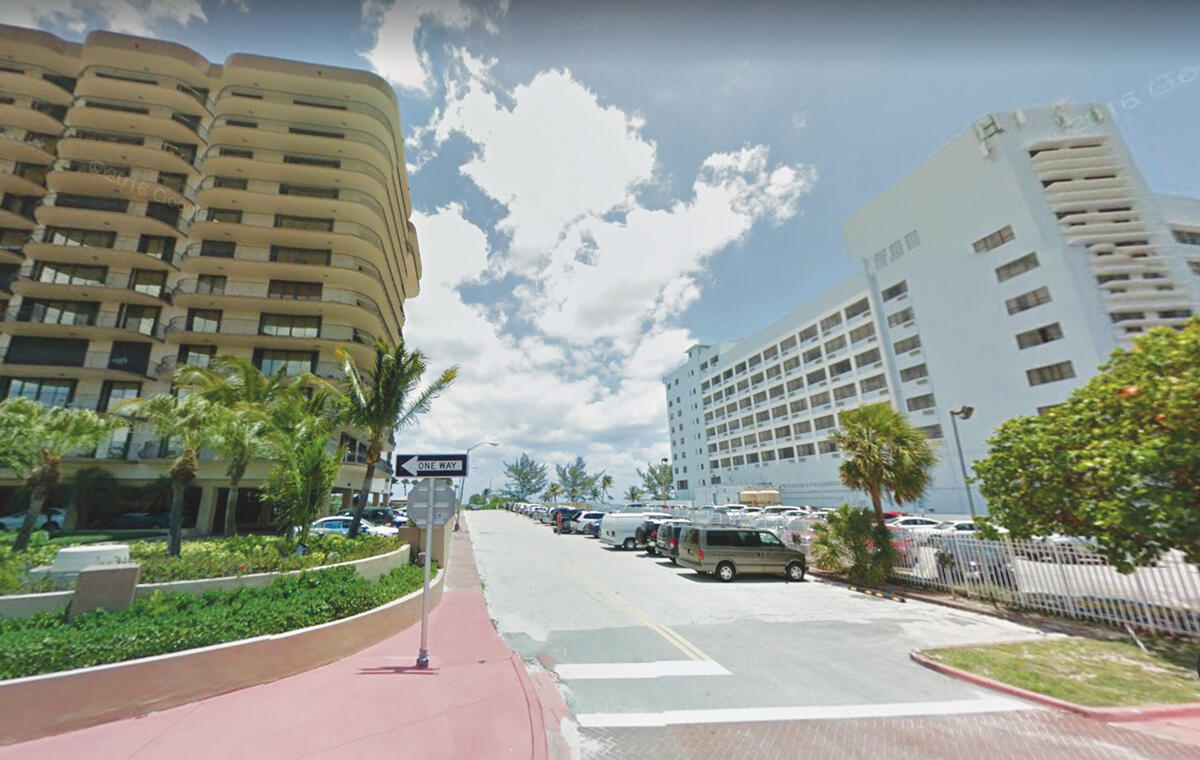
Champlain Towers South and the adjacent 87th Terrace property before

“He built a very expensive building there. We didn’t see the values he saw,” said Dezer, whose family paid about $7 million for the property in the late 1980s, a few years after Champlain Towers South was built. Terra purchased it for $65 million.

At the time Terra was negotiating the purchase of the Dezerland, the developer was building Glass, an 18-story luxury condo building in South Beach. In 2020, the Glass condo association sued the developer, contractor John Moriarty & Associates and subcontractors over a litany of alleged construction defects. Moriarty also built Eighty Seven Park.

Years earlier, in 2014, associations at Quantum on the Bay also sued an affiliate of Terra, alleging the developer cut corners during construction of the nearly 700-unit development.

The development agreement

Miami Beach’s code requires that voters approve any sale of city-owned waterfront land.

But the Terra-led 8701 Collins Development LLC, which acquired 87th Terrace from the city, did not have to get residents’ approval. The loophole came in the form of a 12,000-square-foot sandy plot of land sandwiched between 87th Terrace and the beachfront. The original survey of the land, dated June 1919 and signed by early Miami Beach developer J.H. Tatum, identifies it as one of many tracts now owned by Miami-Dade Public Works.
The city’s analysis of its charter, as part of its agreement with the Eighty Seven Park developer, found the same. Spanning just over 18,000 square feet, 87th Terrace is not oceanfront. The city found that vacating the plot of land or right of way served a public purpose by enhancing pedestrian access to the beach, increasing property taxes and beautifying North Shore Open Space Park, which is immediately south of Eighty Seven Park.

Street or alley vacations are common across the country, experts say. Attorney Keith Poliakoff, managing partner of Fort Lauderdale-based Government Law Group, said the alleys or dead-end streets no longer serve the purpose of housing utilities that they had when municipalities mapped them out years ago.

But critics of such actions say the process results in a giveaway to developers. In South Florida, residents have increasingly spoken out against them. The Coral Gables commission recently rejected plans for a mixed-use development downtown as a result of an overwhelming public outcry, due in part to a proposed vacation of an alley.

“We feel extremely strongly that vacations of city right of ways shouldn’t be happening without going through a voter referendum, as it is in the city charter,” said Tanya Bhatt, past and acting president of Miami Beach United, a volunteer activist organization.

Land use attorney Gloria Velazquez, a shareholder at the law firm Nason Yeager, called the Miami Beach agreement unusual because it tied the vacation to the $10.5 million voluntary contribution, instead of the overall project approval. Another attorney said the development agreement was “terribly worded” by suggesting the $10.5 million was a payment for the vacation.

The vacation, in the form of a perpetual easement, allowed the Terra-led entity to take over most of the alley. It left space for a pedestrian walkway to the boardwalk and beach that the developer built and was responsible for maintaining, eventually handing maintenance over to the condo association. The Eighty Seven Park condo tower, which has an underground parking garage, is on the southern half of the oceanfront lot.

Impediments

Eighty Seven Park’s construction was delayed early on. Generally, project delays are common, the result of a combination of overambitious developers, a longer-than-expected financing timeline, and a push for positive publicity.

In the case of Eighty Seven Park, the developer’s LLC financed more than 90 percent of the $65 million purchase with a loan. When 8701 Collins Development sought demolition approval of the Dezerland, instead of a restoration, North Beach residents protested.

They called the change a “bait and switch,” said Daniel Ciraldo, head of the Miami Design Preservation League. A lawsuit filed in 2016 by a debt brokerage seeking a commission from the developer shows a Terra affiliate planned to redevelop the site before it had even closed on the 2013 acquisition.

The vacation resolution and the development agreement with the city of Miami Beach were finalized in 2014. The developer would be in talks with the Champlain Towers South residents and its association years later.

As part of the agreement, 8701 Collins Development LLC was required to receive a full building permit by Sept. 3, 2016. That month, the developer requested a one-year extension of the building permit deadline, citing the governor’s declaration of a state of emergency over the Zika outbreak.

Once construction was finally underway in 2017, residents of the adjacent Surfside tower, who were likely aware of problems with their building, were again voicing their concerns about Eighty Seven Park.

At a February 2018 Miami Beach Design Review Board meeting, the city postponed a vote on modifications to the site plan and approval. Attorneys for Eighty Seven Park and the group of Champlain residents who were concerned about the project spoke in favor of the continuance to the following month. In March 2018, the Terra-led entity withdrew its request, which dealt with perimeter walls and fences, according to a recording of the meeting.

In emails sent to the town of Surfside, Champlain Towers South board member Mara Chouela complained that residents were “concerned that the construction next to Surfside is too close,” including that the workers digging at Eighty Seven Park could be damaging the structure of Champlain.

Developer Edgardo Defortuna, whose Fortune International Group has built and sold a number of high-end condo buildings in Miami-Dade, said in an interview with The Real Deal in June that when it constructs a tower, Fortune will install a vibration monitoring device on nearby buildings to ensure that the work is being done safely.

The crisis communications firm hired by Eighty Seven Park’s developers after the collapse did not respond to a question about whether the developer installed such a device at Champlain, where residents said construction caused their units to shake.

During construction, which involved digging piles deep into the site, debris was also landing in the pool and on the pool deck of Champlain, clogging up the driveway and front entrance with sand, emails show. Concrete trucks were illegally parking in a city-owned lot, according to emails between Terra and Miami Beach.

The developer offered the Champlain Towers South association a $400,000 payment in 2019 if unit owners agreed not to publicly oppose the project and accept longer hours of construction, the Washington Post reported in July. But the association did not accept the settlement.

The Champlain property manager wrote in an email exchange with Surfside that year that “money doesn’t seem to be an issue” for the developer, suggesting Eighty Seven Park would pay the $5,000 fines for the debris and continue to allow workers to let it land at Champlain.

After the collapse of Champlain Towers South, Eighty Seven Park remained closed for more than two and a half months to residents who did not sign waivers. It reopened in mid-August. The partial collapse and the controlled demolition of the rest of the Champlain building in early July created instability on the site that led that portion of Collins Avenue to remain closed for a much longer period than initially expected, out of fear that the street would cave in.

The National Institute of Standards and Technology’s investigation into the collapse involves going through the history of the building and town code, evidence reservation, geotechnical and structural engineering and more. An August Miami Herald investigation found that the original design was flawed, adding to damning structural and engineering reports that had already been made public by the town of Surfside. Investigators have said they will look at all possible causes and contributions to the collapse.

“You have an old, antiquated building, and you have a brand-new tower with underground parking being built less than a street away,” Zalewski said. “It would be impossible to not look at Eighty Seven Park’s impact, if any, on the collapse of the tower.”

Link: Before Surfside tragedy, neighboring tower faced opposition, delays over construction impact
Auther: Katherine Kallergis
Real Estate Journal: Developers circle downtown Hollywood

Overlooked by developers for decades, downtown Hollywood is finally attracting more projects, leading to more residents and businesses in the city.

While Fort Lauderdale to the north and Aventura to the south boomed with new towers, downtown Hollywood and its historic Young Circle didn’t see much major development. While that kept rents more affordable than in other cities, the city’s tax base didn’t benefit from the greater property values, and local businesses missed out on new customers.

But that’s quickly changing. And Young Circle is at the center of it all.

After completing the Circ Residences and the Circ Hotel in 2018, developer Chip R. Abele Jr. is building the Block 40 apartments and retail project. BTI Partners is moving forward with two major developments.

Mayor Joshua Levy said the planning started 20 years ago with a master plan by Miami architect Bernard Zyscovich, followed by a Regional Activity Center (RAC) passed in 2016 that allows for high-density, mixed-use development on the eastern side of the city.

“What we are seeing on Young Circle today is significant progress in the master plan vision that looks to create a neighborhood around the circle with high-rise towers,” Levy said. “But without the developers who have the wherewithal to construct these buildings, the plans are just drawings on paper.”

Jorge Camejo, director of the Hollywood Community Redevelopment Agency (CRA), said the RAC allocated 16,000 units of density in the area. The CRA has incentive programs for development there, as it awarded property tax rebates to both the Circ and Block 40. Camejo said a project that follows the master plan and contributes to the economic development of downtown could qualify for incentives.

Shiv Newaldass, the city’s director of development services, said it will fast-track permits for developments and new restaurants that help downtown.

“Hollywood is being established as the next place to be,” he said.

Coming to Hollywood

For more than a decade, the largest development sites on Young Circle were tied up in litigation or owners unwilling to sell. Older, unused buildings, while considered historic, sat in disrepair. Undaunted, Abele, CEO of GCF Development, moved forward with his projects.

He started working on development around Young Circle about 20 years after he was approached by a lobbyist, Abele said. He liked that Hollywood is halfway between Miami and Fort Lauderdale, so it seemed poised to be the next center of development.

“The city of Hollywood is in an amazing location for an urban downtown,” Abele said. “We see a lot of demand for residents here, and that will push demand for retail.”

Noah Breakstone, CEO of Fort Lauderdale-based BTI Partners, said he has over $500 million in development lined up for downtown Hollywood because it’s in an ideal location, near the beach and Interstate 95, with the ArtsPark at Young Circle providing space for recreation and events.

“People want to walk to the park or the ocean or restaurants,” Breakstone said. “People are yearning to be outside and enjoy that space.”

Development wave

BTI Partners recently tore down the old Bread Building and expects to start construction of 362 apartments with ground-floor retail near the end of the year. In the second half of 2022, Breakstone hopes to break ground on an even larger project on Young Circle: two 35-story towers with 802 apartments, plus retail and offices.

Rents will be less than in downtown Fort Lauderdale, but higher than Hollywood’s existing housing stock.

“When looking at reemerging neighborhoods and putting up mixed-use development, you also have to believe your rents will surpass neighborhood rents and take that leap of faith,” Breakstone said.

Abele said the apartments at the Circ are doing great, with rents increasing, and the Publix on the ground floor has terrific sales. Block 40, with 273 apartments, is slated to be ready by January.

“We’ve always thought they would really activate downtown,” Abele said of his two projects. “They will add to downtown traffic for entertainment, shopping and dining.”

Steve Berman, CEO of local developer Firm Realty, is building a 50,000-square-foot office in downtown Hollywood without any preleasing. Most of the city’s tenants are small professional firms or startup businesses looking for 1,200 to 2,400 square feet, he said.

“We don’t attract the major law firms and large users you see in downtown Fort Lauderdale and Miami,” Berman said. “Traditionally, we get local companies and professionals already in the area who are looking for nicer office space.”

As the city attracts more residents and restaurants, he expects more companies will want to locate there to be part of the scene.

Berman will help that happen, as he agreed to sell the SunTrust office building on Hollywood Boulevard to Miami-based Estate Cos., which secured approval for 324 apartments and 30,000 square feet of retail there.

“That will put residential living directly on Hollywood Boulevard, and introduce a higher scale of restaurant and retail than exists now,” Berman said.

There’s also plenty of infill development opportunities on Dixie Highway and Federal Highway, Levy said. Housing Trust Group is building apartments there, and Brightline is interested in putting a station on the FEC Railway in the city.

“We are just scratching the surface on what the RAC area ought to be,” Levy said.

Changes on the boulevard

City officials are currently considering new street configurations for both Hollywood Boulevard and Young Circle.

The CRA’s Camejo said plans call for wider sidewalks and more shade trees on Hollywood Boulevard to enhance walkability and double the outdoor dining space.

“The challenge for any city is to differentiate themselves in the marketplace,” he said. “We have a unique pedestrian environment with Young Circle and walkable streets. That is what lures people.”

That may not be enough to overcome the inefficient building designs there, Abele said. One of the reasons there are high vacancy rates and low rents on Hollywood Boulevard is because the buildings are not configured well for modern retail, often 24 feet wide by 130 feet deep. Most retailers can’t use the back half of those buildings, so they are challenging to rent, Abele said.

Abele suggests that the city buy the rear halves of buildings and widen the alleyways to create retail-lined courtyards.

As for Young Circle, when BTI Partners completes its two towers, Hollywood Boulevard will have direct access to the park and it will have a straight view of the beach.

“That will reshape the Hollywood skyline and add density, allowing people to stay in place with the restaurants and retail,” said attorney Keith Poliakoff of Fort Lauderdale-based Government Law Group. “The biggest problem for years was there wasn’t enough residential mass to make downtown a success. Finally, there will be significant mass for food trucks and art shows and music festivals.”

Link: Real Estate Journal: Developers circle downtown Hollywood
Auther: Brian Bandell

Eviction-minded landlords may head for the courthouse with moratorium ending

Some South Florida landlords are likely to move quickly to oust tenants behind on their rents after the U.S. Supreme Court struck down a federal moratorium against evictions, lawyers said Friday.

By a 6-3 vote, justices late Thursday struck down a Biden administration eviction ban designed to shield tenants whose financial health had been severely impaired by the COVID-19 pandemic. The court said the Centers for Disease Control and Prevention exceeded its authority when it declared a new eviction ban earlier this month after a previous moratorium expired.

Now, millions of Americans, including tens of thousands of Floridians who are still behind on their rent, are no longer protected and are at risk of being evicted.

“It’s very clear that if there’s going to be another moratorium it has to be Congress that acts,” said Fort Lauderdale bankruptcy lawyer Chad Van Horn. “I think we’re going to start getting phone calls [from tenants] this weekend once this news gets out there.”

Only four new cases were filed Friday after the high court’s ruling, said Broward Circuit Court Chief Judge Jack Tuter.

Moratoriums, which were triggered by the pandemic last year, effectively halted the delivery of most eviction notices by local sheriff’s offices.

Still, the Broward Sheriff’s Office had been serving between 400 and 600 notices a month, a spokeswoman said. Most went to residential tenants whose cases were deemed by judges as “not governed by the moratorium.”

There are currently 2,460 pending eviction cases in Broward, according to Tuter, who cited data from the clerk of the court. There were 612 foreclosure cases filed this year, well below the 1,362 in 2020, and 3,689 in 2019.

In the wake of the Supreme Court ruling, some tenants could find themselves in a race with their landlords to quickly obtain public or some other rental assistance before a building owner files eviction papers at the courthouse.

Earlier this year, the Broward court established an incentive to enter mediation for renters facing evictions — and the landlords who want their past-due rent — if they agreed to settle their differences. The prize was some of the money approved by the federal government to keep renters in their homes.

Heavy pressure

The financial distress facing residential tenants was probably most sharply portrayed last month when Surgo Ventures, a nonprofit health and social policy group in Washington, concluded in a survey that 6.2 million families faced evictions nationally between June 23 and July 5, owing back rent of $23 billion or an average of $3,700.

Regionally, more than 135,000 households in South Florida were found to be late with their rent. In Broward County, 42,367 households owed an average of $5,008. In Palm Beach County, 23,201 households owed $4,658, and in Miami-Dade, 72,123 owed an average of $4,800.

Lawyers pointed out that the eviction process is designed to move quickly and that some landlords who haven’t seen a rent check in months may well move to oust longtime, non-paying tenants as quickly as possible. After a landlord gives a tenant three days’ notice, the property owner can file a complaint with a court. Once served by a sheriff’s office, the tenant has five days to respond.

“If landlords are trying to take advantage of this current moment, I think they’re going to do it and they’re going to do it fast,” said Jason Vanslette of the Kelley Kronenberg law firm. “I hope it doesn’t come to that.”

Big landlords note that they’ve been patient and are willing to continue to do so if tenants work with them. But they have creditors, too, such as lenders who expect mortgage payments to be made on time.

“The Supreme Court made the right ruling, and the entire multifamily industry is breathing a sigh of relief,” said Marcie Williams, president of RKW Residential, which manages more than 25,000 apartments in South Florida and elsewhere in the South. “The moratorium has been a long-term burden on apartment community owners, with some renters not paying any rent for an entire year.

“We have emphasized flexibility and compassion throughout the pandemic and will continue to do so to help our residents,” she said.

Let’s make a deal

Alan Kipnis, partner with the Government Law Group in Fort Lauderdale, said his landlord clients had success making payment arrangements with tenants.

“Most of the landlords have been pretty lucky throughout the pandemic,” he said. “They’ve been able to work with their tenants for the most part. They offered ideas to the tenants about giving them some money and offering payment plans.”

Kipnis suggested that despite the high court ruling, a tenant’s trip out the door might not be as speedy as some think.

He said courts are presided over by judges “who are sympathetic, and so are the landlords, by the way. There are options. ‘Okay, let’s try to keep you here, but what can you do so I can get some revenue from you?’”

Vanslette, who represents commercial landlords including those who own apartment buildings, thinks “negotiating with the tenant is the best bet,” largely because of the slow delivery of aid from Washington.

“Out of the $46 billion available, I think actually 10% has actually gone out to landlords and tenants,” he said.

Van Horn, the consumer side lawyer, said agreements can be reached between landlords and tenants who have fallen behind because they’ve lost their jobs but are “now back on their feet.”

“I’ve had landlords who have been very receptive, and I’ve had landlords who have hung up,” he said.

No case surge expected

By phone Friday, Judge Tuter suggested it’s too early to forecast a run of landlord filings on the courthouse. “We do not expect any kind of an avalanche.” he said.

Moreover, the court is prepared to handle any volume it receives.

“There are plenty of judges,” he said. “They handle them all day, every day including the satellites. We don’t expect anything extraordinary in terms of the filings”

Right now, he said, the situation is a case of “wait and see.”

Link: Eviction-minded landlords may head for the courthouse with moratorium ending
Auther: DAVID LYONS

South Florida Attorneys Weigh In on Supreme Court’s Decision on Biden’s Eviction Ban

The U.S. Supreme Court ended the Biden administration’s eviction moratorium on Thursday, allowing evictions to resume amid rising COVID-19 cases. This decision is a big deal for landlords across the country, including South Florida, who have tenants behind on their rental payments.

Alan Kipnis, an attorney with the Government Law Group in Fort Lauderdale, represents landlords whose first choice is to not evict their tenants. He says the landlords will try anything they can to work with people.

“The legal system is not the right way to do it. It never was, by the way, before COVID. They’re trying to work with the tenants as best they can. I think one of the problems is the money that was allocated from the Congress never got here,” Kipnis said.

“I’m not surprised the eviction moratorium was lifted, and it’s good news for landlords looking for more options,” Kipnis said.

Alan G. Kipnis of Government Law Group. Courtesy Photo Alan Kipnis of Government Law Group. Courtesy photo
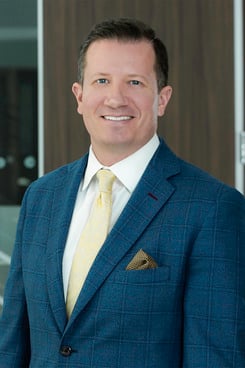
“It’s going to be a double-edged sword. We all know how badly COVID is still going on in Florida, so the fact that the moratorium is lifted, first what’s going to happen is the landlords are now able to file landlord-tenant evictions. The problem is, the court system is still in the same spot it was 17 months ago. They’re closed for the most part and understaffed,” Kipnis said.

According to an eviction moratorium research brief by law firm Marcus & Millichap, a mass wave of forced exits is not likely, despite months of delays resulting in more eviction orders filed than in a typical year. Kipnis believes the court system will get clogged up as more people are able to file.

“While it creates a lot more problems for the tenant in terms of being subjected to eviction, I think the process will take longer, and it’s going to be painful in terms of time. It’s just going to add to the pressures we add to right now,” Kipnis said.

He advises that attorneys representing both tenants and landlords prepare for a large number of cases and problems within the court system.

“It’s going to cause delays, and attorneys are going to have to work with the courts and the clerks to try to work through this. It’s something an attorney needs to be prepared for. Give them a reality check in terms of what’s going to happen here. A tenant should know that they’re not going to be served and out the door in 15 minutes. The courts are still required to go through a procedure if the tenant objects to the eviction, and that process will take place, it’ll just take a long period of time,” Kipnis said.

According to Jason Vanslette of Kelley Kronenberg in Fort Lauderdale, the eviction process shouldn’t take too long.

“It’s a summary proceeding so they may take these eviction proceedings on an expedited basis, there might be a backlog for sure, because of the mass amounts of filings. Obviously, the court system has so many limited resources, so certainly that will take effect and probably delay some, but due to the timelines that are required due to the statute under summary proceedings, the delay shouldn’t be that much,” Vanslette said.

Now is the perfect window for residential landlords to file, just in case the eviction moratorium is extended again, Vanslette said.

Jason Vanslette, partner at Kelley Kronenberg in Fort Lauderdale Jason Vanslette, a partner at Kelley Kronenberg in Fort Lauderdale.

“The issue with that is, it’s only been 24 hours and on the executive level, the president or Congress could act and reinstate an eviction moratorium again. It is possible you can file your eviction but if another moratorium is in place between now and then, it will once again be stalled. Try to use your resources as much as possible while the window is still open,” Vanslette said.

According to the research brief, 94.9% of renters in the country made their monthly payments in July, which is less than 2% below the July 2019 measure. The statistic suggests that delinquency is not much higher than in a traditional year. The federal stimulus checks and expanded unemployment insurance were early key supports for people. For people renting, Vanslette said applying for federal assistance can help those facing eviction.

“There’s close to $46 billion for renters or landlords for that matter who can apply for assistance. To date, probably about $5 billion of that has been disbursed and there’s some red tape and bureaucratic issues, but the assistance is there at the local level, and if they have or acquire, they should try to apply with the local department of health or their local cities and county governments,” Vanslette said.

Currently, the multifamily sector is doing well. According to the record brief, rental demand has already recovered from last year, with vacancies dropping 3.8% in June. In the Class C tier where the risk of COVID-related evictions is highest, rents are climbing. Tenant turnover is expected over the next few months, but a shortage of housing will help bolster operations across a range of housing options.

“Regarding the impact of the moratorium ending on the multifamily sector, particularly when it comes to occupancies and the unprecedented rent growth we have seen, pent-up demand in primary and secondary U.S. markets should offset a substantial amount of the new vacancies. As long as would-be buyers continue to be priced out of purchasing, rental rates in these areas should remain at record levels,” said Marcie Williams, president of RKW Residential, which manages over 25,000 apartments in South Florida.

Williams said the Supreme Court made the right ruling and the entire multifamily industry is breathing a sigh of relief.

“The moratorium has been a long-term burden on apartment community owners, with some renters not paying any rent for an entire year. We agree with the National Multi-Housing Council’s [NMHC] response to the court’s ruling that encourages landlords to focus on a compassionate approach prioritizing the support of residents. We have emphasized flexibility and compassion throughout the pandemic and will continue to do so to help our residents,” Williams said.

Some states, including New York and California, have extended their own moratoriums, which will help some renters gain income stability.

Link: South Florida Attorneys Weigh In on Supreme Court’s Decision on Biden’s Eviction Ban
Auther: Melea VanOstrand

HTG could rezone Deerfield Beach site for affordable housing

Housing Trust Group could team with the Broward County Housing Authority to develop affordable housing in Deerfield Beach.

The City Commission will consider the rezoning application for 11.95 acres at 3851 N. Dixie Highway, 500-730 N.E. 38th Court, 501-731 N.E. 38th Court and 500-750 N.E. 39th St. on Aug. 17. The vacant property is owned by the BCHA, which would develop it with Miami-based HTG.

The site previously had public housing that was demolished over 15 years ago.

The developer wants to rezone the property from “single-family” and “commercial” to “planned development district.” That would allow up to 155 homes.

The project, known as Tallman Pines, would be developed in two phases. There would be an eight-story building at 3851 N. Dixie Highway with 75 affordable apartments for seniors and 103 parking spaces. The rest of the site would be developed with nine single-story buildings with 80 affordable villas for residents of any age, plus 217 parking spaces.

Amenities would include a community building, a playground and a dog park.

HTG would execute a land lease with the BCHA, and the partners would jointly own the development.

Most of the apartments would be for people earning up to 60% of area median income, although some would be for people earning up to 80% of area median income.

“Affordable and attainable housing in Broward is so needed in today’s climate, so we made sure to offer a community that will fit the demand of the two critical demographics: families and seniors,” HTG said in a statement. “Although the site has been sitting vacant for years, it has always been earmarked for the provision of much-needed affordable housing to the community, and has been an ongoing development effort for BCHA. We are proud to have been selected by BCHA to meet that need.”

The senior housing building would have 40 one-bedroom units and 35 two-bedroom units. The villas would comprise 36 two-bedroom units and 44 three-bedroom units.

The developers are working with Fort Lauderdale-based Barranco Gonzalez Architecture, Pompano Beach-based planning firm Keith and Fort Lauderdale attorney Keith Poliakoff on the project.

Link: HTG could rezone Deerfield Beach site for affordable housing
Auther: Brian Bandell

CDC’s New Eviction Freeze Poised For Major Legal Hurdles

Law360  — The latest Centers for Disease Control and Prevention moratorium on residential evictions is likely to face swift legal challenges, and the U.S. Supreme Court, with one justice having recently said legislation was required for the ban to continue into August, could soon weigh in on the matter.

The CDC’s prior ban on residential evictions, a cornerstone of the federal government’s response to the COVID-19 pandemic, expired July 31, and earlier this week the White House said the CDC had found no legal grounds for an extension. But on Tuesday, the CDC took a 180-degree turn in issuing a new moratorium.

Experts expect prompt challenges to the latest ban, particularly given that Justice Brett Kavanaugh in June said an extension of the CDC ban could only be done through Congress. Earlier this week, it appeared the CDC was also of that mindset, until it changed course Tuesday and issued the new ban.

“Clearly, there’s going to be a court challenge. It will likely be in federal court. Some might try state courts first,” said Alan Kipnis, a partner at Government Law Group in Fort Lauderdale, Florida. “I think it will start in the federal court and very likely could go up to the Supreme Court on a fast-track basis.”

The latest CDC moratorium, which applies only to areas where COVID-19 cases are soaring, will cover roughly 90% of the U.S. population. It’s set to remain in effect until Oct. 3.

The CDC ban comes just over a month after the Supreme Court in Alabama Association of Realtors et al. v. U.S. Department of Health and Human Services et al.  denied a request to lift a prior CDC moratorium. However, Justice Kavanaugh at that time said “clear and specific congressional authorization (via new legislation)” was required to extend the ban beyond the end of July.

“Although the Supreme Court’s June 29th decision did not directly resolve the CDC’s authority to extend the eviction moratorium, given Justice Kavanaugh’s concurring opinion on the procedural questions of whether a stay should have been granted, it is foreshadowed that … the Supreme Court would likely ultimately conclude that the CDC lacked authority if the issue comes directly to it,” said Bonnie Hochman Rothell, a partner and chair of the litigation practice at Morris Manning & Martin LLP.

Justice Kavanaugh in the Alabama Association of Realtors case said he believed the CDC had overstepped its authority with its prior ban, but sided with Chief Justice John Roberts and the three liberal members of the high court in the 5-4 decision, explaining that he voted the way he did to let the process of allocation of federal funds play out over the course of July and let the ban expire as planned, at the end of July.

Representatives at the CDC and the White House couldn’t be immediately reached for comment Wednesday on the latest CDC moratorium.

“I would anticipate that any CDC action will also be found to be contrary to the law,” said Simon Adams, a partner at Nossaman LLP. “That decision will need a plaintiff that wants to challenge this and a court decision will be delayed due to the speed of the courts.”

The jury remains out on just who might challenge CDC’s latest ban.

While the Alabama Association of Realtors was unsuccessful in its challenge to an earlier moratorium, would-be plaintiffs could have more success now, particularly at the Supreme Court level given Justice Kavanaugh’s recent comments.

Kipnis said the range of potential plaintiffs is broad, from the ACLU on one end to national apartment owners organizations on the other.

“Any one of those organizations could challenge, and probably will challenge,” Kipnis said.

While experts point to Justice Kavanaugh’s remarks, lawyers’ warnings of looming challenges are also highlighting the difficulties landlords are having, given the pressures on them to pay their mortgages.

Ruth Shin, founder and CEO of PropertyNest, noted the difficulties small landlords have faced.

“In the past year, landlords still had to pay their bills while dealing with rent losses … [and] government initiatives need to support both — renters and landlords — to achieve a sustainable long-term recovery,” Shin said. “The extension could be challenged by landlords and property owners.”

–Additional reporting by Hailey Konnath and Jimmy Hoover. Editing by Emily Kokoll and Orlando Lorenzo.

For a reprint of this article, please contact reprints@law360.com.

Link: CDC’s New Eviction Freeze Poised For Major Legal Hurdles
Auther: Andrew McIntyre

In CDC we trust: Mask guidance prompts changes

Property owners, brokers and businesses react to new guidelines

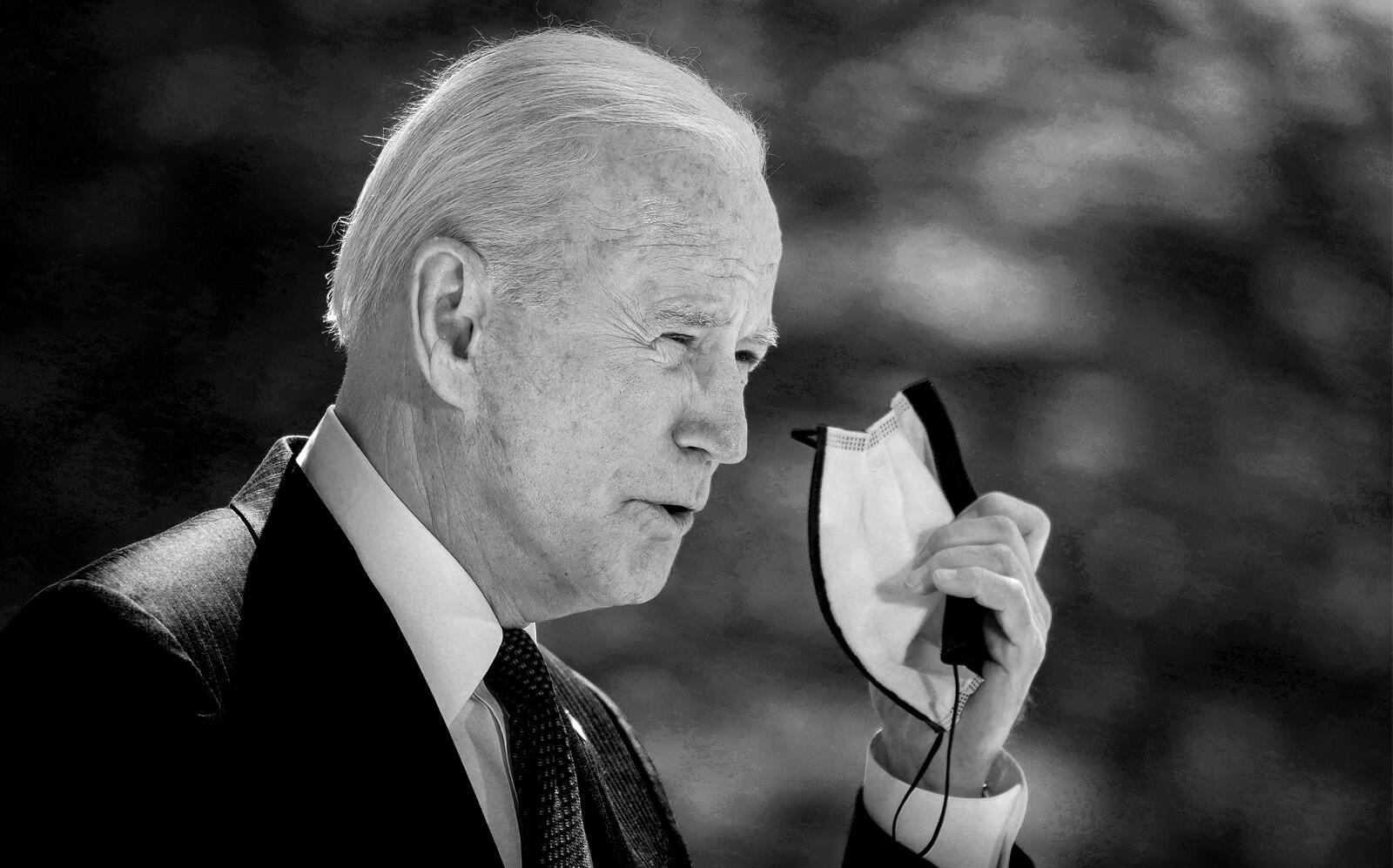
U.S. President Joe Biden removes his mask before speaking about updated CDC mask guidance. (Getty)

Aliza Bixon had insisted clients wear masks while exercising at her Miami Beach Pilates studio. Before vaccination, they had preferred to stay masked but it became a bit of an annoyance during strenuous workouts.

So within hours of the Centers for Disease Control and Prevention saying fully vaccinated people can go without face coverings, she scrapped her mask rule for customers.

“They are coming back to the studio jumping for joy like, ‘I am so excited. I can breathe without a mask,’” Bixon said.

Businesses across the country, not to mention their landlords, are also breathing easier after the CDC’s announcement Thursday, which might also inspire more Americans to get vaccinated.

But Bixon, who co-owns the boutique studio at 712 West 51st Street, echoed other business owners in saying she will not check vaccination cards.

“I don’t know anyone who doesn’t have the vaccine,” she explained. “People have been announcing it proudly as they come in through the doors.”

When the CDC issued its guidance, about 35 percent of Floridians were fully vaccinated. The figure was 42 percent for New Yorkers, 37 percent for Californians and 36 percent of all Americans.

The CDC guidance is advisory; states can follow it or not when setting Covid regulations. But it gave commercial landlords hope that life — and rent collection — would soon return to normal. Some of their tenants have been operating at partial capacity for over a year and have not been paying full rent.

“What’s good for the retailer and the restaurateur is good for the landlord,” said Peter Ripka, the co-founder of brokerage RIPCO Real Estate.

In downtown Fort Lauderdale, tenants at the 11-story Museum Plaza office condo building received an email Thursday evening from the association that they can ditch their masks, said Keith Poliakoff, whose law firm, Government Law Group, has an office there.

“They are probably the first massive office building that came out with such a decision,” Poliakoff said.

Museum Plaza posted signs throughout the property clarifying the easing of the mask mandate applies only to fully vaccinated tenants and visitors. But, like Bixon, it is relying on the honor system and will not check vaccination cards.

Poliakoff said he sees no potential liability for businesses and landlords if people get sick..

“As long as they post their protocol and make it clear all unvaccinated individuals are still required to wear a mask, then that person assumes their risk,” he said.

Those individuals can infect vaccinated people, but the vaccines are highly protective. Only about 1 in 10,000 vaccinated Americans have since tested positive for Covid, and in those who did, their symptoms have almost always been minor or nonexistent. In clinical trials, not a single recipient of the Johnson & Johnson vaccine was hospitalized or died of Covid.

California plans to lift its mask mandate June 15, at which point businesses can do the same. The California Retailers Association told The Real Deal that its members will be “looking at it from their own perspective, and they’ll make their own decision.”

“It’s difficult — you have the issue of proving everyone is vaccinated,” said Rachel Michelin, the trade group’s president. “We’ll wait for official guidance from the Department of Public Health.”

Florida Gov. Ron DeSantis had already ended all Florida localities’ emergency Covid restrictions May 3, but businesses can still impose their own mask mandates.

New York Gov. Andrew Cuomo said he will review the CDC guidelines before making changes to state policy, which requires masks in public if social distancing is not possible. Cuomo previously announced that most capacity restrictions will end May 19.

Andrew Rigie, executive director of the NYC Hospitality Alliance, called the CDC guidance “excellent” news for bars and restaurants though he noted it will not matter until the state acts.

“It’s more justification to continue eliminating restaurant and nightlife restrictions so that these businesses, which are vital to the city’s social and economic fabric, can reopen further, welcome back customers and help the Big Apple recover,” Rigie said in a statement.

Where the restrictions are lifted, some retailers have already embraced the opportunity.

Publix, one of the biggest grocery store chains in Florida, on Friday evening lifted its mask requirements for fully vaccinated staff and shoppers, except in other states where mandates are in place. The Lakeland-based supermarket said in a statement it still requires masks for those who have not received both doses of the Moderna or Pfizer vaccines (Johnson & Johnson’s is a one-shot), but did not clarify whether it will check vaccination cards.

California-based Trader Joe’s is also not waiting. It was one of the first major grocers to lift mask mandates after the CDC issued its recommendation.

Retail landlord Miami Manager, which owns five shopping plazas in South Florida, stopped requiring masks in common areas such as parking lots and hallways but lets its retail tenants decide the rule in their stores.

“We do expect people who haven’t been vaccinated to wear a mask for their own safety,” said Milton Mekler, the chief operating officer.

Office sector optimism

Landlords also expect the CDC’s announcement will encourage employees to return to the office, potentially ending the trend of subleasing and consolidation that threatens their bottom line.

“The CDC’s new guidance will send a strong message to all businesses and their employees that a full return to the office and other indoor settings will be achieved safely and effectively,” said James Whelan, president of the Real Estate Board of New York, in a statement.

Eric Meyer, principal of New York City landlord Meyer Equities, echoed Whelan’s words.

“Anything that makes people feel comfortable to come into work is positive for the landlord business,” he said. “If the CDC is saying it’s safe, and people are on the same page with that, it certainly helps.”

Some companies have already announced returns to the office, in some cases as soon as next month. Among them are Blackstone, JPMorgan Chase, Goldman Sachs and Morgan Stanley.

Still, even with capacity restrictions being lifted and the new mask guidance, not everything is returning to normal for landlords. State and local moratoriums on evictions remain in effect. In New York, for example, residential tenants and businesses with 50 or fewer employees who claim Covid hardship cannot be forced out for nonpayment until at least September.

“Anything that is going to get us closer to normal is great,” said Alex Mehran, the vice president of Mehran Property Management, which operates approximately 200,000 square feet of retail and office space in New York.

“But for landlords it’s still not great,” he said. “Until you allow landlords to enforce the contracts that they’re in, the real estate business is not going to get back to normal.”

Link: In CDC we trust: Mask guidance prompts changes
Auther: Sasha JonesLidia DinkovaIsabella Farr and Akiko Matsuda

BTI Partners buys Hollywood Bread Building for $11M, plans multifamily tower

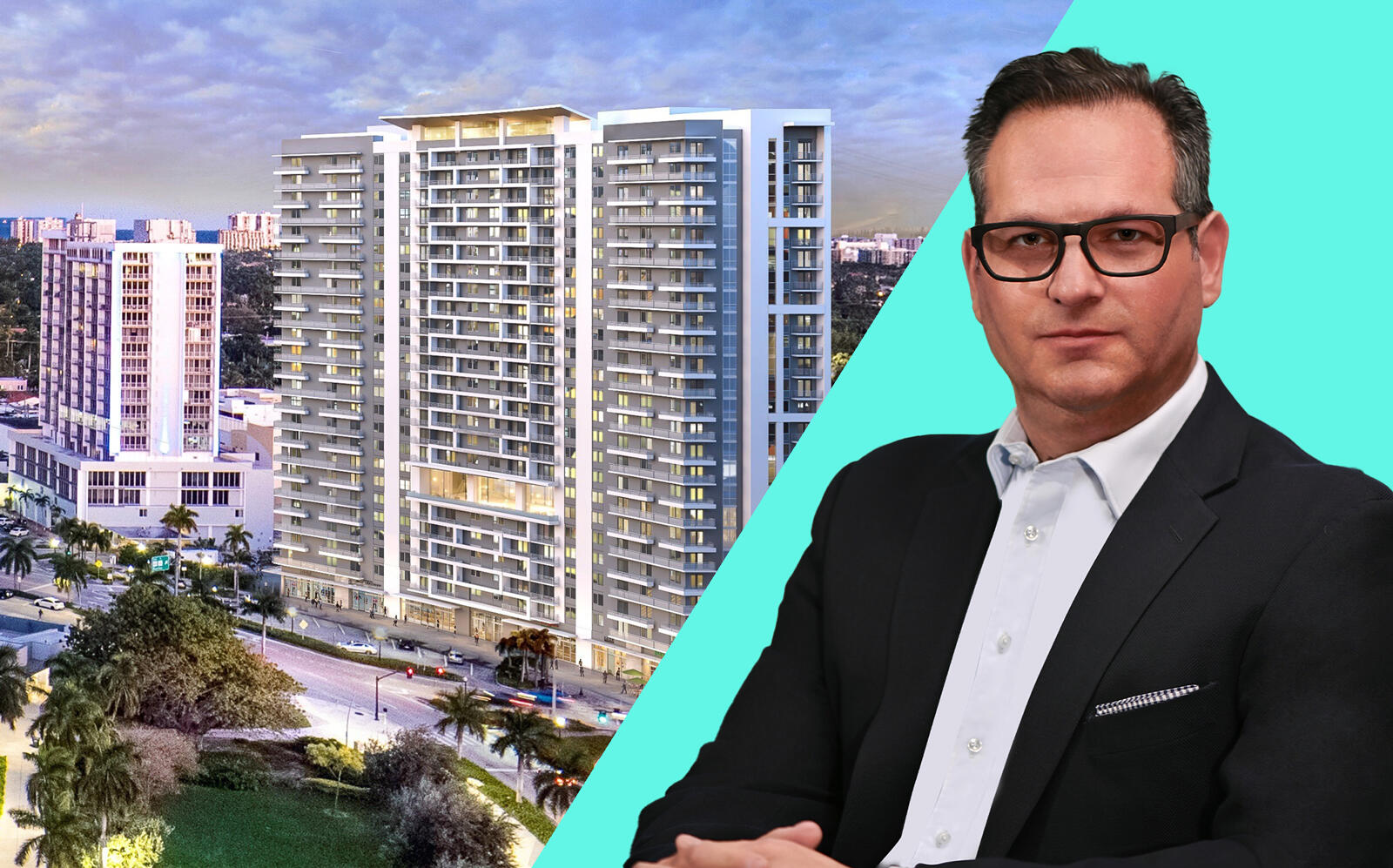
1747 Van Buren Street in Hollywood and BTI Partners CEO Noah Breakstone (BTI Partners)

BTI Partners plans a 25-story multifamily project on the site of the Hollywood Bread Building, after buying the property for $11 million.

Fort Lauderdale-based BTI Partners and its equity partner Bridge Investment Group bought the Bread Building at 1747 Van Buren Street, according to a news release. Steve Kohn and Chris Moyer were part of the Cushman & Wakefield team that represented BTI Partners.

Seller MG3 Hollywood is affiliated with Aventura-based MG3 Developer Group, corporate records show.

The 11-story Bread Building was built in 1969, according to property records. It has been a Hollywood landmark, although in recent years it fell into disrepair and has remained vacant.

BTI Partners, whose CEO is Noah Breakstone, plans to build an apartment building with 362 market-rate units and 16,000 square feet of retail, according to the release. Construction is expected to start this year after BTI Partners demolishes the Bread Building this summer. The “Hollywood Bread Building” sign will be preserved.

The purchase, which includes parcels adjacent to the Bread Building, totals 1.6 acres, according to Keith Poliakoff, BTI Partners’ attorney. The properties are in an Opportunity Zone, meaning investors can get a tax break on their capital gains by putting money into the venture, according to Poliakoff.

Real estate investor Bridge Investment Group, based in Salt Lake City, has several Opportunity Zone funds that have steadily raised capital since launching in 2018.

The project will be on the southeast end of Hollywood’s Young Circle and part of BTI’s larger investment in the area. The property is fully entitled for the project, meaning only permits are needed, according to Poliakoff.

The group also wants to build a two-tower complex on the east side of Young Circle by redeveloping the 3.25-acre Young Circle Shopping Center on the site now. Plans are for residences, shops, restaurants, office space and a skywalk connecting the two towers, according to the release.

BTI, which is in the planning and approval stage for this project, bought that property for $16 million in 2020.

Overall, the shopping plaza redevelopment and BTI’s apartment tower replacing the Bread Building total a $500 million investment in Young Circle, according to the release.

BTI, which also is a land investor and capital partner, develops residential, retail, mixed-use and other commercial real estate, according to its website. It also is a master-plan developer of communities throughout Florida. Ongoing projects include Crossprairie on 1,400 acres in Orlando and Westshore Marina District on 52 acres in Tampa, according to BTI’s website.

MG3 Developer Group invests in real estate and land development, with a focus on assisted living facilities and charter schools. The firm is led by Marcelo Saiegh, Hernan Leonoff and Gustavo Bogomolni, according to its website.

In April, MG3 sold a portfolio of eight schools in Florida for $242 million, including two in South Florida that sold for $78.1 million.

The Bread Building sale comes as Hollywood is on track to record the biggest South Florida hotel sale this year. Pebblebrook Hotel Trust is under contract to buy the 369-key Margaritaville Hollywood Beach Resort for $270 million, according to Pebblebrook.

Link: BTI Partners buys Hollywood Bread Building for $11M, plans multifamily tower
Auther: LIDIA DINKOVA

Two Legal Eagles Partner Up

Two seasoned litigators—and deft dealmakers—launch the Government Law Group

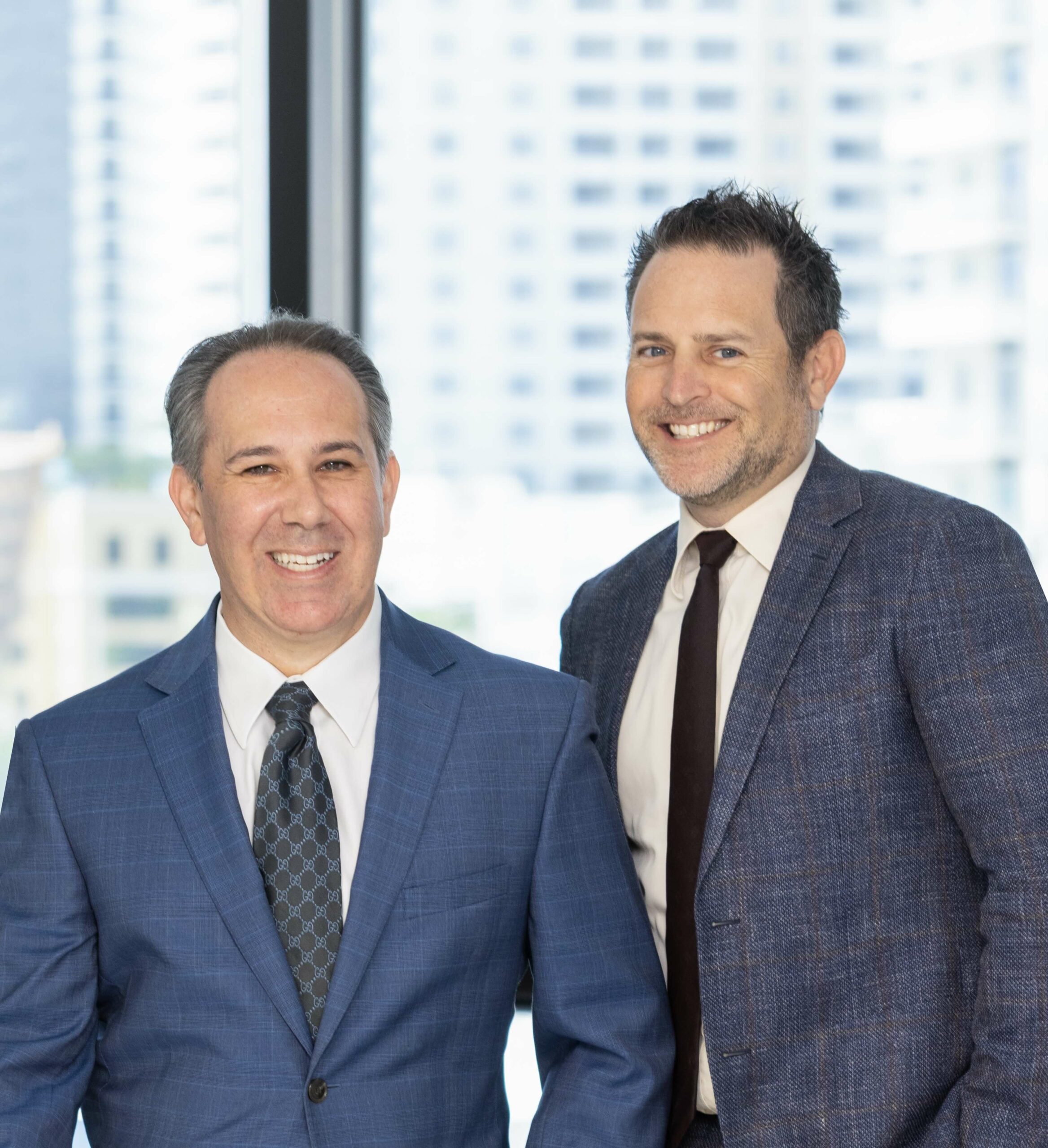
By the time attorneys Keith Poliakoff and Neil Schiller departed Saul Ewing Arnstein & Lehr, they’d shared a 15-year friendship—and a goal to found a new firm, the Government Law Group. With Poliakoff based in Broward County, and Schiller in Palm Beach County, the partnership reflects their commitment to offer comprehensive service in land use, lobbying, government contracts, litigation and municipal representation.
They also share a love of deal making. The two left on amicable terms with Saul Ewing and will maintain a referral relationship with the firm to assist clients in areas outside of the GLG’s core practice, but their hours are consumed charting their own course—by forging the kinds of complex deals at the intersection of government and commerce that have long been their passion.

Poliakoff’s road to law was not linear. He graduated from Syracuse, made his bones as a journalist, with stints at CNN and NBC News Miami. But he couldn’t shake the dream of law school, eventually earning his J.D. at Yeshiva University’s Benjamin N. Cardozo School of Law in New York.

His war stories comprise a long list. His current client, BGI Capital, a national developer, was looking for residential projects; another developer client, MG3 Properties, wanted to sell a property it had acquired in Hollywood. “One of the first things I did was make a match and tell them to speak to each other,” Poliakoff recalls. As a result, BGI has under contract a property for MG3—a luxury apartment building in downtown Hollywood.

“But it didn’t stop there,” Poliakoff says. “Once I realized that BGI was interested in developing in Hollywood, I was meeting with the mayor of Hollywood and out of the blue he mentioned that the old Publix that runs into Hollywood Boulevard may be on the market. I immediately called BGI and said, ‘Hey, why only take block 58 in Hollywood from MG3, why not take the whole area and look at block 57 too?’ And sure enough, within a matter of days we got that block under contract as well, and now we’re building one of the largest apartment and mixed-use developments in the city, valued well over a billion dollars at build-out.”

The deal also includes the potential for Hollywood Boulevard to extend east and west directly through the old Publix site. “And what did we do?” Poliakoff asks. “It was finding the property and taking it from A to Z, serving as the complete quarterback for the developer. As someone who always wanted to play football and never had the physical prowess to do so, this is my opportunity to be a quarterback.”

He also calls the deal a “home run” for a city that was looking for redevelopment as well as for his client. “I always knew I wanted to change the skyline of Florida help those municipalities,” he says, “some of

which are in dire need of smart redevelopment. Having a political background—my father was in politics—I always felt that deal making was something I enjoyed doing.”

As for Poliakoff’s new partner, Neil Schiller—armed with a bachelor’s and a law degree from the University of Miami—has grown into his practice area, which is notched with a range of high-profile projects. “I do land use and zoning and development law, like Keith, and I’ve done so many different projects over the years—and none of the easy ones,” he says. “These are the hard ones. Even though not many of them get developed because they’re so complex, it is a joy to see those projects get approved, from Transit Village of West Palm Beach with [Transit Village president] Mike Masanoff years and years ago, to the midtown Delray Beach project, which is now called Sundy Village that was approved two years ago.”

A particularly salient example of his wheeling and dealing is South Florida’s Brightline train system. “I was responsible for negotiating all the crossing agreements for Brightline,” Schiller says. “It was a great learning experience not only as a young lawyer, but as a lawyer going before city councils where they really hated me.”

He repeats: “They really hated me; they really hated my client. My territory was Palm Beach County all the way to Orange County. In some of those more northern cities and counties, the level of sophistication was there but the zealousness and hatred got worse and worse as we went north.”

If this sounds like a story of failure that Schiller had to bounce back from, think again: “Many city councils voted against the crossing agreements at first,” he recalls, “and then after some massaging, after some meetings, after some advocacy, they changed their minds, realizing that this was a very good deal. Now we’re working on Phase 2 all the way to Orlando now.”

Deal accomplished.

Link: Two Legal Eagles Partner Up
Auther: Drew Limsky

City of Boca Raton and Beach & Park District At Odds Again Over Ocean Breeze

Two weeks ago, it appeared that an era of good feeling finally had begun between the Boca Raton City Council and the board of the Greater Boca Raton Beach and Park District.

It didn’t last.

Last week, council members and City Manager Leif Ahnell said they came away from the April 26 joint meeting believing that the city and district would work together to decide which recreation facilities and programs to add. Guiding them would be the survey that both agencies paid for. Key to that plan would be the 212 acres that once were the Ocean Breeze Golf Course.

Suddenly, council members complained, the district went back on that commitment and was planning its own study of Ocean Breeze. Ahnell, sounding exasperated, said that failing to work together would be wasteful and redundant. Councilwoman Andrea O’Rourke said she had tried to work with the district despite the many differences that have arisen but now was about to give up. Others echoed that sentiment.

Board member Steve Engel confirmed that the district is “examining the idea of a master plan for the entirety of Ocean Breeze.” The district owns the east side outright. The city underwrote bonds for the district’s purchase of the west side. The district reimburses the city for the annual payments.

This planning, Engel said, “does not rule out a partnership with the city in developing the west side or working with the city on a master plan for all park facilities in the district as well as those non-district facilities within the city.”

Board member Bob Rollins said council members had no reason to criticize the district. “We were never asked to participate” in a joint plan, Rollins said. Ahnell’s exasperation was “unfounded.”

Council member Andy Thomson said, “We all just figured that they had agreed.” They figured wrong.

As always, this comes back to golf.

Boca Country Club, photo courtesy of the City of Boca Raton

The city believes that the revamped, 18-hole course at Boca Country Club— which the Boca Raton Resort & Club is donating, effective Oct. 1—will be a sufficient replacement for Boca Raton Municipal—which the city is selling to GL Homes. Council members want to focus on other recreation priorities and use Ocean Breeze for non-golf activities.

Rollins, however, told me, “I haven’t given up on the idea of golf at Ocean Breeze.” He has support from golfers and some residents of Boca Teeca, the community that surrounds Ocean Breeze. Rollins said the east side of Ocean Breeze could accommodate something like the short par-62 layout at Boca Dunes. Younger players, Rollins said, want shorter courses like the nine-hole course at Boca Municipal that the city can’t replicate at Boca Country Club.

As Thomson points out, however, even if Rollins’ colleagues agree with him, the district doesn’t have the money to build such a course. If the district asked the council for money, Thomson said, “they would not find a willing giver.” City officials also dispute that the public considers golf to be a top priority. Still, on Monday the district board voted, in board member Susan Vogelgesang’s words, “to explore possible recreational amenities at the Ocean Breeze property.”

Beyond this communication gap is an important issue. Combined, the city and district have only so much to spend on recreation, and costs are rising. Spending must align with what the public wants. This regularly dysfunctional relationship needs to become more functional.

Tree removal update

Delray Beach’s Great Tree Removal Controversy is over, with compromise winning.

The city and Pebb Capital, developer of Sundy Village, reached what Pebb’s attorney, Neil Schiller, called “a fair settlement” during Friday’s hearing. The city will impose no fines and Pebb will submit a new landscaping plan for Sundy Village. The allegedly wrongful removal of 79 trees took place in five places within the project area.

Schiller called it a case of “miscommunication and misunderstanding. (Pebb) thought they had approval” from a city staff member. City Commissioner Ryan Boylston said that staffer had exceeded his authority in approving the removals. Boylston said it would have been unreasonable to fine Pebb for not double-checking on the approval.

Critics of Sundy Village pounced on the removals to denounce Pebb and call for harsh penalties. Instead, Boylston said, “We slowed down when some people were saying, ‘Lock them up.’ “ He praised City Attorney Lynn Gelin for getting to what seems like a reasonable outcome.

As for Sundy Village itself, Schiller said Pebb hopes to go before the historic preservation board with its new plan “in July or August.” The company plans an outreach campaign to persuade the community that Sundy Village is a big improvement from when the project was called Midtown under a previous owner.

With all that at stake, it seemed silly to think that Pebb would have taken out those trees without asking. Said Schiller, “There was no malicious intent.”

And more on trees

Since we’re on the subject of trees, Delray Beach has a study from six years ago that recommended a citywide plan to improve the tree canopy.

In 2015, before his election to the city commission and his failed run for mayor a year later, Jim Chard and others crafted the plan. For all the venom directed at Pebb Capital, Chard noted, “The prime deforester in Delray Beach is the city itself.”

Chard cited several examples of the city’s lax policies, especially downtown. Loss of trees there, Chard said, has more of an impact because of all the concrete.

Then-Mayor Cary Glickstein urged Chard to compile the report. It runs to 45 pages and points out how hurricanes, development and other factors have made Delray Beach less tree-friendly. It lays out an extremely detailed policy. Example: how not to “girdle, scar, perforate” or otherwise harm a tree when bracing it.

Chard said the report “went nowhere.” Maybe it now should go somewhere.

City Manager list a little longer

Delray Beach’s human resources department wants to narrow the field of city manager candidates to five and let the city commission take it from there.

The department added three names to the list of five it had recommended. One of those names is Michael Bornstein, who is city manager in Lake Worth Beach. Bornstein announced his resignation last month after the March election dramatically altered the makeup of the city commission, but he is staying on through early June.

Human resources officials are canvassing commissioners to get their top choices and shorten the list through consensus. As early as today’s meeting, the commission could choose how many and which candidates to interview. Delray Beach has been without a permanent manager for nearly 11 months.

Should Delray lighten up?

Downtown Delray (Photo courtesy DDA)

Should Delray Beach make the city brighter and safer?

That question is on the agenda for today’s city commission meeting. Florida Power & Light is offering to replace all existing sodium halogen street lights with Light Emitting Diode (LED) bulbs—at no charge. In addition, FPL would replace the white LED lights along the beach with amber lights that are considered friendlier to sea turtles. That change would allow beachfront lights to be on during the eight-month nesting season.

LED street lights would bring several benefits. They use less energy and last longer. Law enforcement agencies believe that the sharper illumination makes for more accurate descriptions of suspects and better security cameras images.

As the staff memo notes, however, residents in other cities have complained that LED brightness is, well, too bright. But after a time, residents adjusted and appreciated what they perceived to be better visibility and security.

According to the memo, the city could use a fixture that isn’t as bright but doesn’t offer the clarity of white light. Given some of the myths about LED lighting and the social media nattering in Delray Beach, this could be a lively discussion.

Tallahassee vs. Home Rule—again

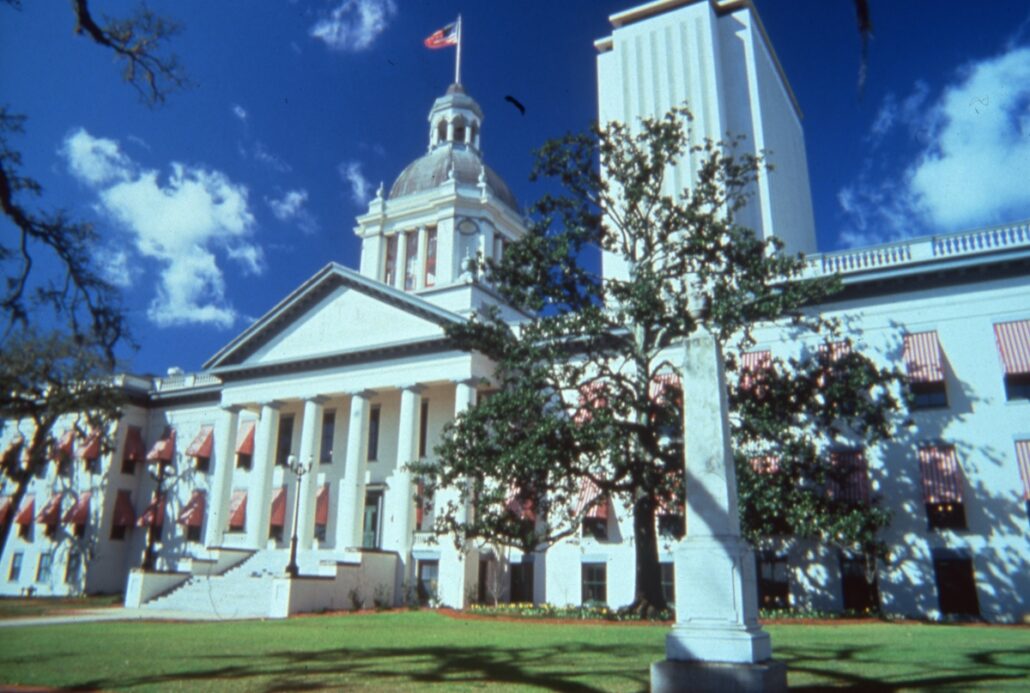
Old and new capitol buildings in Tallahassee, Florida. (State Archives of Florida)

When you hear elected officials in Boca Raton and Delray Beach warn about the Legislature “pre-empting”—stripping power from—local government, they have in mind legislation like House Bill 403.

It passed the Florida House and Senate. It would prevent cities and counties from regulating home-based businesses differently than other businesses. Supporters claim that it would encourage “garage entrepreneruship” of the sort that led Bill Hewlett and David Packard to create their eponymous company in Palo Alto, Calif.

Critics, however, respond that, if Gov. DeSantis signs it, HB 403 would allow any sort of loud, customer-intensive business in single-family neighborhoods. Local governments treat home-based businesses differently because, well, they’re in homes. No one cares if a neighbor runs an investment consulting service from her den. Many people would care if that neighbor began running garage sales every Saturday and Sunday. Boca Raton passed a restriction on such sales after one home began having them so often that it disrupted the neighborhood.

Tallahassee passed other pre-emption bills, but the Florida League of Cities considers this one of the session’s worst.


Link: City of Boca Raton and Beach & Park District At Odds Again Over Ocean Breeze

Author: Randy Schultz