Movers & Influencers

Government Law Group, Fort Lauderdale

Attorney Payton H. Poliakoff has joined Government Law Group as an Associate. Government Law Group is a boutique firm that provides clients with a comprehensive 360-degree approach for government and litigation solutions. Mr. Poliakoff will focus his practice on complex commercial litigation and government contracting.

Government Law Group, Fort Lauderdale

Attorney and City of Parkland Commissioner Jordan B. Isrow has joined Government Law Group as a Partner. Government Law Group is a boutique firm that provides clients with a comprehensive approach for government, litigation, and business solutions. Mr. Isrow will focus his practice on complex litigation, corporate counseling and representation of municipalities.

Article Link: Movers & Influencers

South Florida Business Journal Runs Jordan and Payton’s Announcements

NEW HIRE LEGAL SERVICES NOVEMBER 4, 2021

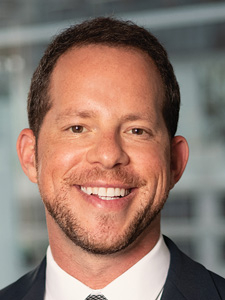
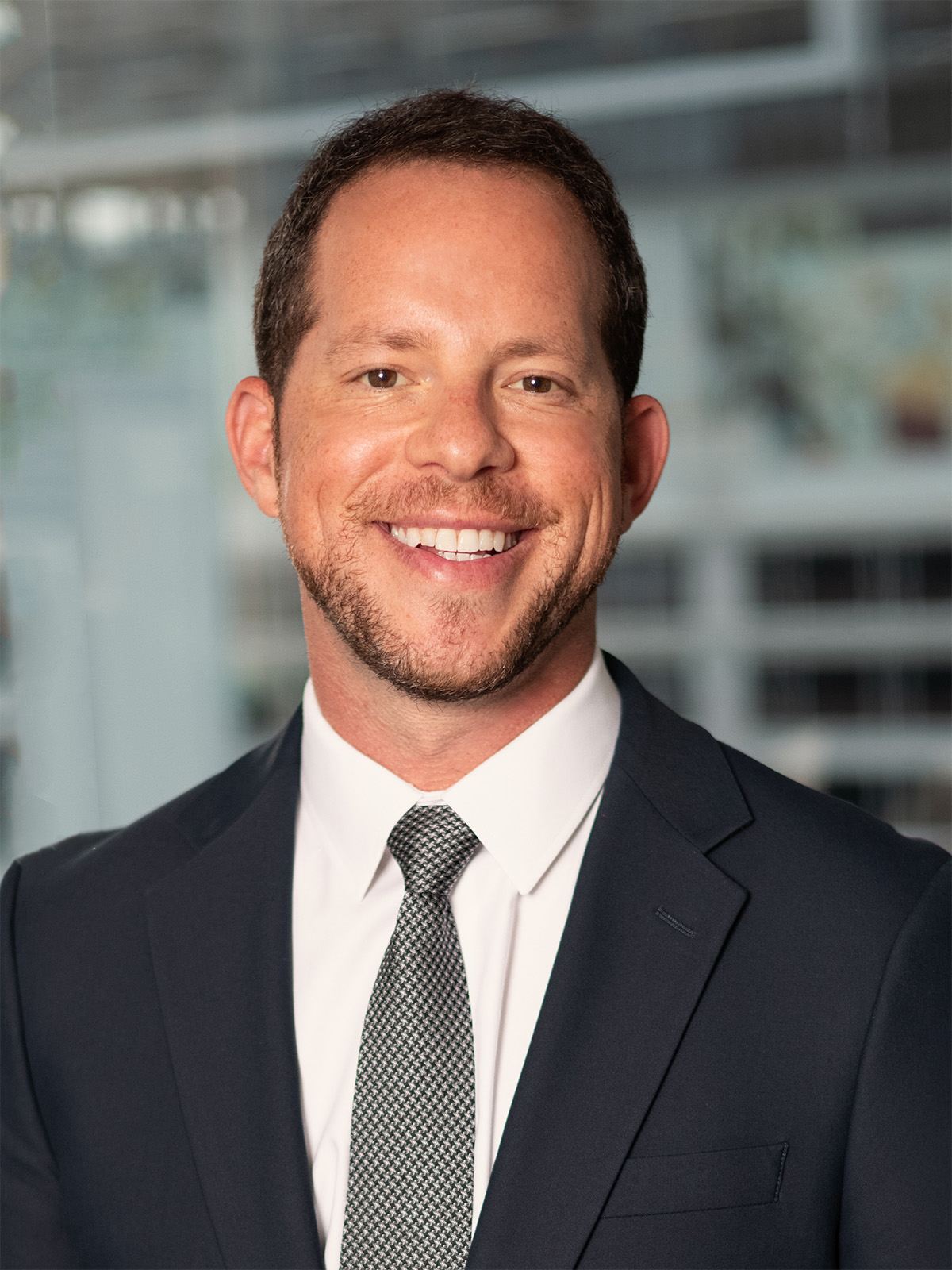
Jordan Isrow

Partner at Government Law Group

https://www.govlawgroup.com/

EDUCATION:  University of Miami (Coral Gables, FL)

Attorney and City of Parkland Commissioner Jordan B. Isrow has joined Government Law Group as a Partner. Government Law Group is a boutique firm that provides clients with a comprehensive approach for government, litigation, and business solutions. Mr. Isrow will focus his practice on complex litigation, corporate counseling and representation of municipalities.

NEW HIRE LEGAL SERVICES NOVEMBER 4, 2021

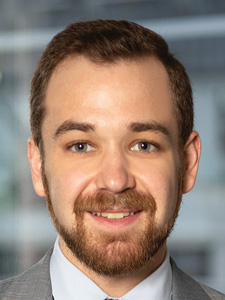
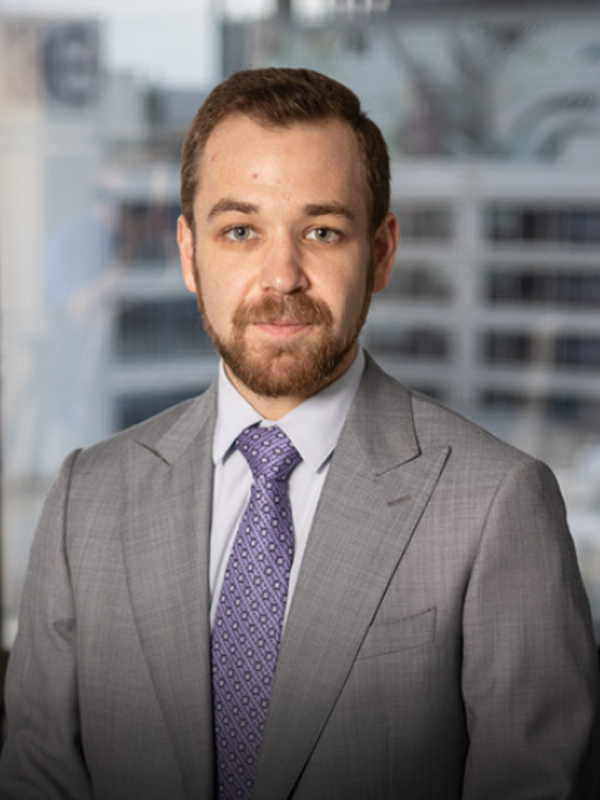
Payton Poliakoff

Associate at Government Law Group

https://www.govlawgroup.com/

EDUCATION: University of Miami (Coral Gables, FL)

Attorney Payton H. Poliakoff has joined Government Law Group as an Associate. Government Law Group is a boutique firm that provides clients with a comprehensive 360-degree approach for government and litigation solutions. Mr. Poliakoff will focus his practice on complex commercial litigation and government contracting.

Article Link: South Florida Business Journal Runs Jordan and Payton’s Announcements

New lease on life: Apartment projects popping up at distressed South Florida shopping centers

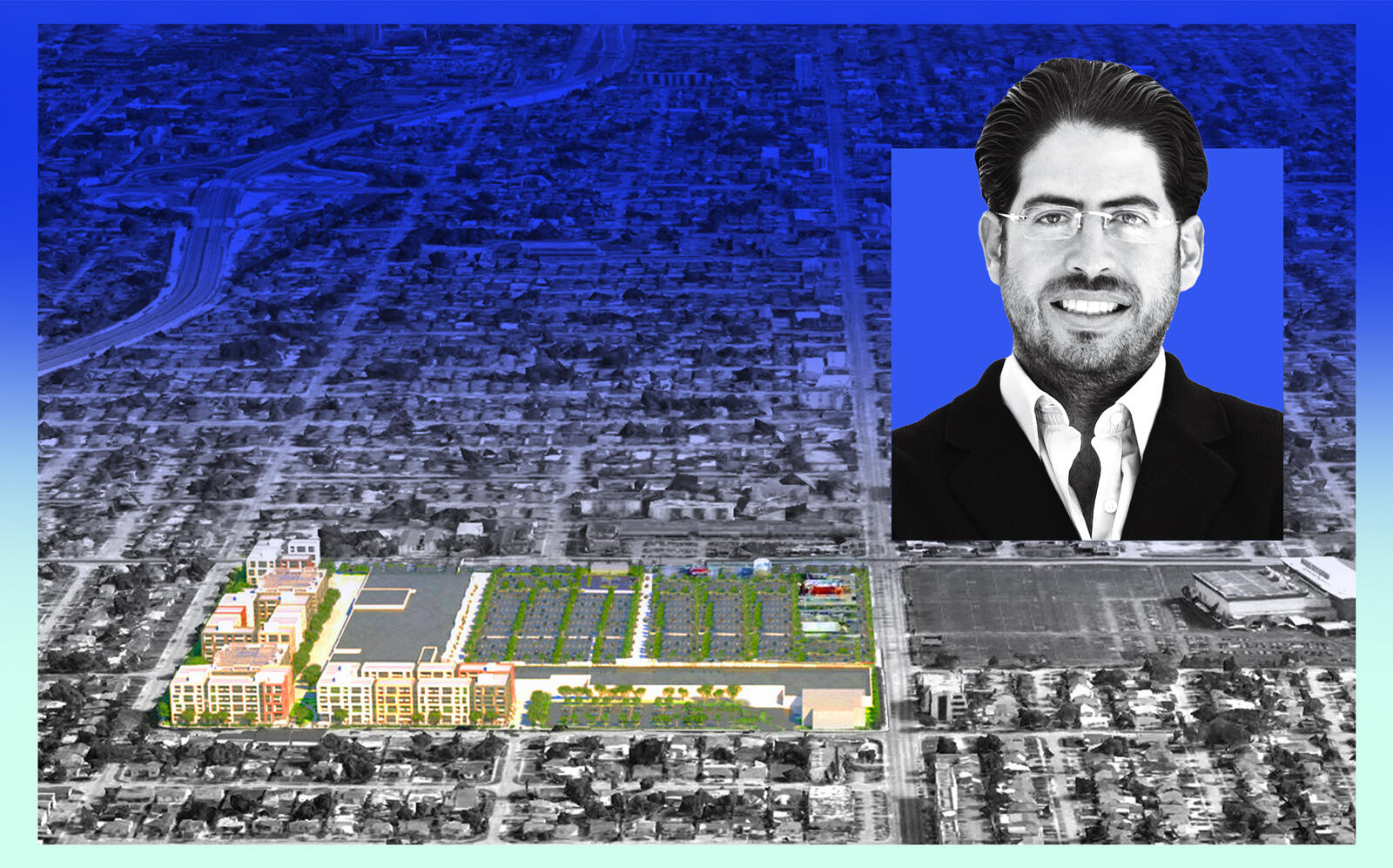
A rendering of Terra’s CentroCity development with David Martin of Terra

Multifamily developers want sites in walkable places, and struggling shopping centers need to fill vacant spaces

Residential redevelopment of South Florida shopping centers is becoming more common, amid solid demand for rental housing and a slack market for retail space.

This month, Houston-based developer Morgan Group won a land use change to build 356 apartments on the site of a former Macy’s store and parking lot at Pompano Citi Centre, a shopping center in Pompano Beach on the southwest corner of Copans Road and Federal Highway.

“We haven’t seen many of these residential transformations at commercial centers, but I think you’ll start to see more of them as the centers unfortunately start losing tenants on a permanent basis,” said attorney Neil Schiller, a founder and shareholder of Boca Raton-based Government Law Group who represents real estate developers.

Shopping centers in densely populated areas are among the best in-fill sites for multifamily developments because they can meet the residential, occupational, and recreational needs of residents, said Art Falcone, co-founder and chief investment officer of Boca Raton-based Encore Capital Management.

“As South Florida gets basically built out, the opportunity now is combining live, work and play,” Falcone said. “People don’t like to be in cars and stuck in traffic.”

Plantation Walk

Falcone’s company acquired the 34-acre Fashion Mall in Plantation, demolished it, and is replacing it with Plantation Walk, a mixed-use redevelopment that ultimately will include 730 apartments. Tenants have started moving into two newly opened apartment buildings with 410 units, and Falcone expects construction of a third apartment building with 320 units to start early next year.

Falcone said Encore also has received certificates of occupancy for 130,000 square feet of new retail and restaurant space. Other completed projects at Plantation Walk include a Sheraton Suites hotel and a fully leased, 180,000-square-foot office building where insurance giant Aetna occupies half the space.

Newer mixed-use developments in South Florida commonly combine commercial space and rental apartments. Miami-based Terra developed Pines City Center in Pembroke Pines from the ground up with more than 300,000 square feet of retail and restaurant space and 400 apartments.

A positive market response to the residential options at Pines City Center encouraged Terra to acquire a 38-acre shopping center in Miami called Central Shopping Plaza, renovate the existing stores, including a former Kmart store that Target will occupy, and build apartments around them.

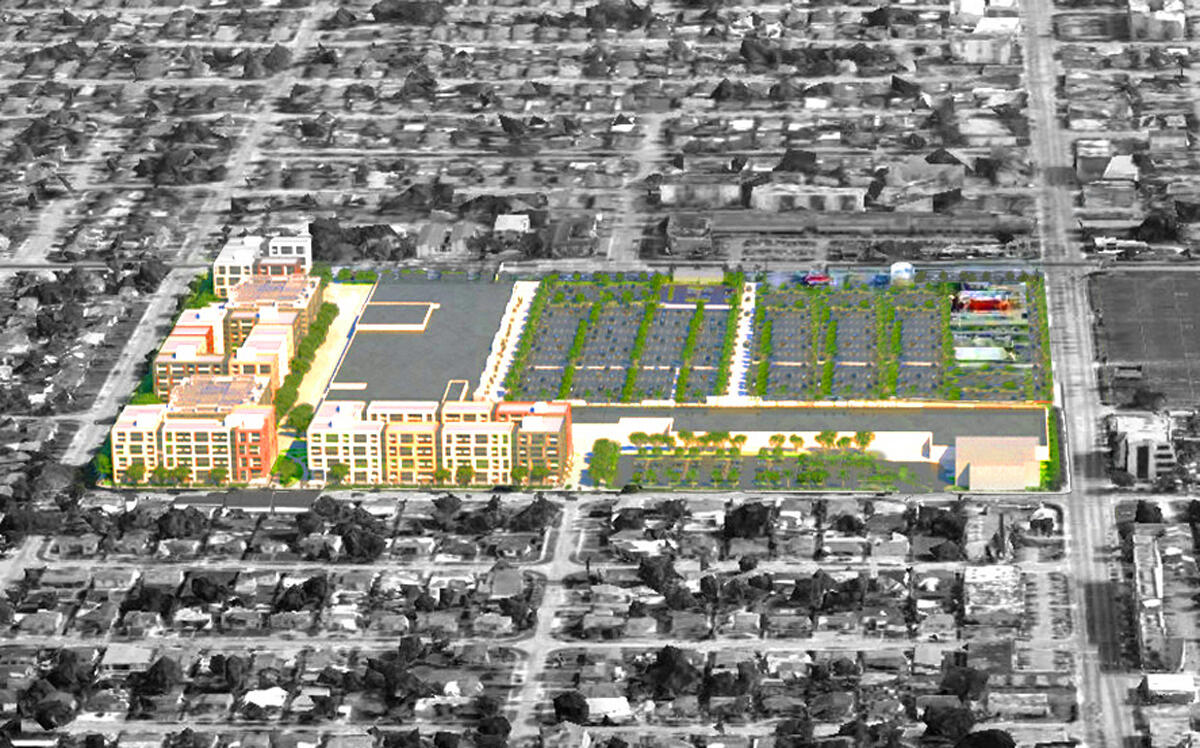
A rendering of Terra’s CentroCity development

The first phase of that redevelopment, called CentroCity, will include 460 apartments, and will be completed in 12 to 18 months, said David Martin, CEO of Terra. By 2024, he said, Terra plans to build a total of 1,100 apartments and 250,000 square feet of office space at the CentroCity property in Miami’s West Little Havana neighborhood.

At Pines City Center, “what we saw was a very strong symbiotic relationship. Residents loved living around a retail offering, and retailers liked having customers who can walk to the store,” Martin said. “It becomes a lifestyle offering for the residents and obviously increases the number of repeat customers” for the retail tenants.

Another large-scale redevelopment is expected to bring a residential component to the Boynton Beach Mall. Columbus, Ohio-based Washington Prime Group won a rezoning of the 108-acre mall in Boynton Beach for a redevelopment that would combine as many as 1,420 apartments and up to 400 hotel rooms with 629,000 square feet of retail space. Washington Prime Group recently emerged from Chapter 11 bankruptcy with a new CEO.

However, shopping center owners like Beth Azor are unlikely to redevelop their properties in the absence of low occupancy rates. Azor is founder and principal of Azor Advisory Services, a Weston-based company that owns six shopping centers in Broward County.

She has no plans for multifamily development at any of her shopping centers because they aren’t distressed – three are fully leased – and because developers are building hundreds of apartments near her centers in Davie, Plantation and Sunrise.

“There are so many wiser, more experienced, richer folks doing apartments, that I like to watch their success from my vantage point,” she said, citing her career as an investor in shopping centers. “After 35 years in the business, I know how to do those, versus trying to learn how to develop multifamily properties.”

Link: New lease on life: Apartment projects popping up at distressed South Florida shopping centers
Auther: Mike Seemuth

From Dubai to Surfside: Inside Damac’s plans to redevelop the tragic site

Billionaire Hussain Sajwani’s firm hopes for spectacular US debut

Hussain Sajwani has made a career out of going against the tide.

While his compatriots scaled back after the 2008 market downturn, Sajwani, the founder of Dubai-based Damac Properties, announced his biggest project yet, the 42 million-square-foot Damac Hills. And years later, as many high-profile businesses severed ties with the Trump Organization over Donald Trump’s anti-Muslim rhetoric on the campaign trail, Sajwani did not budge. He opened the Middle East’s first Trump-branded golf course at Damac Hills in 2017, with Eric Trump and Donald Trump Jr. as guests of honor.

His moves have baffled other developers. “Mad,” is what they thought of him, he recalled in a 2016 interview with Forbes, because in the early 2000s he sold prime parcels in the heart of the city in order to buy land in the then-barren Marina neighborhood. Two of his 80-plus story towers are among the canyon of skyscrapers that today define the Marina skyline.

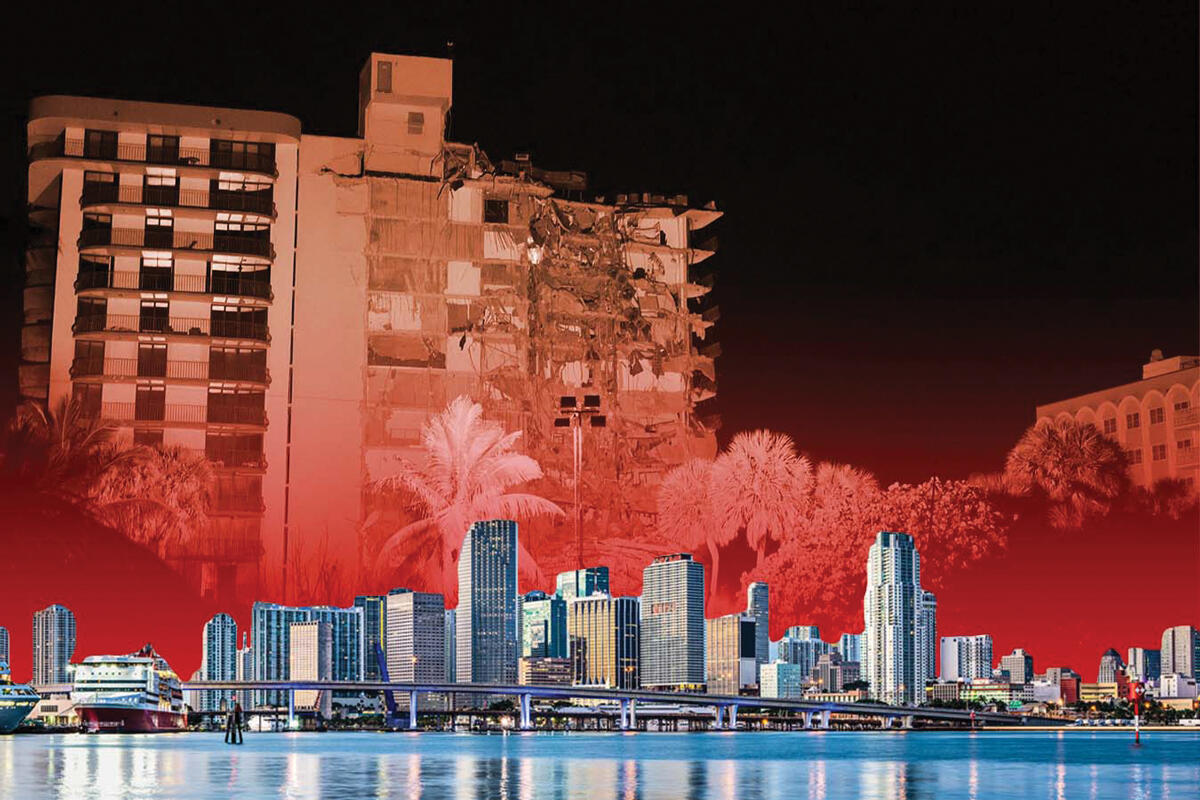
The flamboyant billionaire now has his sights set on the U.S., and not just any site: Damac has emerged as the stalking horse bidder on one of the country’s most emotionally charged parcels, one that many local developers have refused to touch: the Surfside site in South Florida, where nearly 100 people died in June when the condo tower on the property collapsed.

In September, Damac offered to pay $120 million for the nearly 2 acres of oceanfront land where Champlain Towers South previously stood. The choice is controversial – some victims find the idea of developing anew where their loved ones died unthinkable – but allows a newcomer a chance to enter a hot luxury market.

“If they were just building in New York City, it would just be another building. If they come to Surfside and say, ‘We want to redevelop the Champlain site,’ we have someone who has truly entered the marketplace in a big way,” said Keith Poliakoff, a South Florida-based real estate attorney. “The Surfside location provides a unique opportunity for a worldwide developer to make a name for themselves in the U.S.”

Damac has developed 35,000 residential units, mostly in Dubai but also in Jordan, Lebanon, Qatar, Saudi Arabia and London. The company, which has a market cap of over $2 billion, is publicly traded on the Dubai Financial Market, after having been the first Middle Eastern developer to list on the London Stock Exchange in 2013.

Miami is a “natural fit, given its reputation for being a popular, luxurious destination,” said Niall McLoughlin, a spokesperson for Damac, confirming that the developer intends to build a high-end residential project at the Surfside site. “We fully understand the emotions surrounding the site and wish to approach the development with full consideration of the community’s benefit.”

Hussein and the city of gold

Damac is a mystery to most Americans. But in the Middle East, it has a long, checkered history.

Sajwani’s moniker, the “Donald Trump of Dubai,” is not just a reference to his prized ties to the Trump Organization, dealings that include BelAir at The Trump Estates villas in Dubai. It’s also a nod to the Emirati’s penchant for flashy, headline-stealing projects – and his skills as a hype man.

Buy a Damac home, and Sajwani may throw in a Lamborghini. Buy a villa, and you might get a studio apartment as a bonus. On more than one occasion, buyers were entered into a raffle to win a six-seater private jet.

Sajwani, now in his late 60s, grew up in Dubai as the eldest of five children in a middle-class family. His father sold goods at a souk and his mother door-to-door to local women.

“I used to listen to all the stories, the successes and the failures, the issues that an entrepreneur faces in life,” he told the Financial Times of his childhood.

He was part of the first wave of Emirati students that the U.A.E. sent on government scholarships to the U.S. While studying industrial engineering at the University of Washington in Seattle, he had a side gig selling timeshares in the U.A.E. Upon returning home, he worked for state-owned Abu Dhabi Gas Industries (now ADNOC) and then struck out on his own, using funds from his timeshare business to start a catering company with clients including the U.S. military in Iraq, Afghanistan and Bosnia.

In the 1990s, Sajwani invested in dotcom firms such as Juno and mail.com, and built small hotels in Dubai. He founded Damac in 2002, around the time the U.A.E.’s rulers opened its property market to international investors – formerly, only U.A.E. citizens and those of the neighboring Gulf countries could buy property there.

Oil prices had fallen and the government pursued rapid economic diversification, according to Faisal Durrani, head of Middle East research at Knight Frank. This quickened Dubai’s evolution into a lux real estate hub, Durrani added.

Damac’s marquee Dubai projects include Aykon City, which the developer describes as a city-within-a-city with four residential towers and an entertainment and retail plaza; Damac Towers by Paramount Hotels & Resorts, which has 1,200 residential units and a hotel; and the the 63-story Paramount Tower Hotel & Residences Dubai. In 2019, Sajwani’s private investment firm bought the luxury fashion brand Cavalli, and Damac is now at work on a 70-story Cavalli Tower, which Sajwani described as an “an effortless extension of (Cavalli’s) vision beyond patterns, garments and sensational catwalks.”

But all that glitz hasn’t come without serious setbacks. After the 2008 downturn, Damac laid off hundreds of employees, renegotiated with contractors and paused construction on several projects. It moved buyers from canceled towers to buildings that were well on their way, prompting a barrage of lawsuits, according to a 2013 article in the Financial Times.

“There was a fire and everyone wanted to leave the room,” Sajwani told the publication.

Sajwani took his biggest hit not in his hometown, but in Egypt, where he was sentenced to five years in prison in absentia over a land deal with the Hosni Mubarak regime that allegedly bilked the Egyptian people of $41 million. He did not serve time thanks to a Damac follow up suit against Egypt in an international court. (A 2016 BuzzFeed investigation of the court, created under a series of trade treaties, chronicled how it acts as a tool for companies and executives to escape punishment, while countries fear its rulings to an extent that they willingly upend their own laws.)

Attorneys for Damac said the conviction was politically motivated. King & Spalding’s Ken Fleuriet called it “guilt by association,” adding that doing business with the Mubarak government does not equate to wrongdoing, according to BuzzFeed.

Sajwani’s sentence was canceled and Damac dropped its suit in a 2013 settlement.

Damac has also faced civil suits from buyers. In one case, it was ordered to pay $710,000 to a Canadian buyer over allegations of construction delays, according to a 2016 Forbes report. Another dispute with a German buyer was settled confidentially.

McLoughlin waved off the suits, saying “occasional litigation is common in the real estate industry.”

The Egypt case is “very old news,” he added.

Fast friends

In a world where money trumps politics, the Sajwani and Trump families are close beyond their business deals.

“My wife and Ivanka are very good friends,” Sajwani said in a 2017 NBC interview. “They send emails. She’s been here, to my house. We’ve been in New York having lunch and dinners with them regularly. You enjoy working with somebody — it’s not only [a] cold business relation.”

In 2015, shortly after the then presidential candidate’s anti-Muslim comments sparked outrage, Damac removed a Trump sign and a billboard of Donald and Ivanka Trump from the Damac Hills site.

The sign was taken down for “periodic maintenance” and put back up two days later, McLoughlin said. Still, Forbes reported that the billboard was replaced with one of Marlon Brando as Vito Corleone in “The Godfather.”

During a Sajwani family visit to Mar-a-Lago in Palm Beach, Trump called them “beautiful people.” During his presidency, he said he turned down Sajwani’s $2 billion real estate business proposal, but didn’t specify what the proposal was.

The Trump brand “carries significant weight in the global golfing community,” and Damac holds the “collaboration with them in high esteem,” McLoughlin said in his email.

Damac has no Trump partnerships in the pipeline, although Sajwani has said in interviews he is keeping an open mind.

Big Damac in little Surfside

Dubai’s property market is among the world’s most volatile. The city has seen housing prices plummet more than 25 percent since a 2015 peak in part due to oversupply, according to a JLL report cited by the Wall Street Journal. This year, the high-end housing market has rebounded, but Sajwani has cautioned that a slight improvement isn’t a reason to go all-out building.

“The situation does not look rosy,” he said last year, vowing that Damac would reduce construction and encouraging his competitors to do the same.

It’s possible that Damac sees South Florida as a potential bonanza. The region’s luxury market has been going gangbusters, with developers reporting a rush of sales. In August, Miami-Dade condo sales – excluding new development – rose by about 70 percent compared to August 2020 and about 65 percent compared to August 2019, according to the Miami Association of Realtors. Wealthy enclaves like Palm Beach and Miami Beach have been consistently breaking price records.

“It does not surprise me at all that Damac may want to tap into another market that may be similar to what Dubai was 10 years ago,” Poliakoff said.

As the stalking horse bidder, Damac set the minimum price for the Surfside collapse site. It will soon kick off its 90-day due diligence. Competing offers must begin at $120.3 million, and a court auction in late February or early March will determine the winner.

Surfside commissioners were looking to downzone the site as part of a townwide code revision, but ultimately allowed rebuilding up to Champlain’s size. That tower was 12 stories tall and contained 136 units, but the specifics of the redevelopment have yet to be hammered out.

“In Surfside, they’re going to have to deal with the zoning criteria being very strict,” said Reinaldo Borges, a Miami-based architect who worked for Damac and had an office in the Middle East for a decade leading up to the crash.

If Damac ends up purchasing the property, former residents of Champlain likely won’t be able to afford units in the new tower. At newer oceanfront developments in Surfside, units can run north of 8,000 square feet.

“I could only expect them to do something extraordinary in terms of quality and execution,” Borges said.

Recent sales at luxury projects in Surfside could provide a hint as to what pricing Damac may target. At the Four Seasons-branded Surf Club development, for example, sale prices have approached $4,000 per square foot. And even though the Champlain Towers site may have a stigma associated with the tragedy in the short-term, observers expect that to fade away over time.

“If the market was incredibly weak, the stigma would last longer because there would be many other alternatives,” said Jonathan Miller, head of appraisal firm Miller Samuel and author of Douglas Elliman’s residential market reports. “The fact [is] that the market continues to be very tight.”

Surfside could also be a key maneuver in Sajwani’s larger ambitions for Damac.

The billionaire is looking to privatize the company, offering $595 million for outstanding shares to be purchased through his holding company Maple Invest. The Sajwani family are majority shareholders and are deeply involved in the business: Sajwani’s son, Ali, is general manager of operations, and his daughter, Amira, is general manager of sales and development.

Sajwani might be looking to take the company private while the stock is cheap, and go public again down the line for a higher price, according to David Trainer, a corporate finance consultant. And Surfside may have a role to play.

“If they can get this asset at what they believe to be a cheap price and make a profit out of it, that would be one of the potential drivers to reverse losses into profits,” Trainer said.

Could a public offering in the U.S. be part of the plan? To pull that off, “they might have to have some presence, have some business in the United States,” Trainer said. “But it’s pure speculation.”

Damac’s foray into the U.S. may pave the way for other deep-pocketed developers from the Middle East who specialize in luxury projects, especially in lifestyle markets like Miami.

“It was only a matter of time before these developers started stepping into new markets and taking their learnings, their experience, their reputation with them,” said Durrani of Knight Frank. “This might be the start of a trend where we see more Middle East developers becoming active elsewhere in the world.”

Link: From Dubai to Surfside: Inside Damac’s plans to redevelop the tragic site
Auther: Lidia Dinkova and Katherine Kallergis


Town blames rival for blocking big-money detention center. Now it wants $150 million.

PEMBROKE PINES — A long-running feud has finally made its way to a courtroom, where six jurors will decide whether Pembroke Pines is to blame for blocking a lucrative detention center from being built in Southwest Ranches.

In a lawsuit filed nearly a decade ago, Southwest Ranches claims Pembroke Pines cost the town millions by refusing to provide water and sewer service to what would have been one of the nation’s largest immigration detention centers.

Had the deal gone through, the center would have been built on land surrounded by Pembroke Pines, where critics objected loudly to the notion of a prison going up nearby. For Southwest Ranches, the failed detention center represents lost money. For Pembroke Pines, it was a battle won.

The trial, partly delayed by the pandemic, got underway Monday and is expected to take two weeks.

Town Attorney Keith Poliakoff says he plans to argue that Pembroke Pines owes Southwest Ranches more than $150 million in damages.

The case hinges on whether Pembroke Pines had the right to back out of an agreement with Southwest Ranches to provide water and sewer service to the site, and also to not interfere with the town’s efforts to lure the detention center.

Corrections Corporation of America, a Nashville-based private prison contractor, had planned to build a 1,500-bed detention center near U.S. 27 and Sheridan Street.

Had the detention center been built, Southwest Ranches expected to collect $1.6 million a year plus $350,000 in annual property taxes.

No regrets

Poliakoff says Pembroke Pines officials campaigned against the center, breaking an agreement to not interfere with efforts to lure the facility to town.

On Monday, Pembroke Pines Commissioner Iris Siple said she has no regrets.

“It was not a good project for our community,” she said. “We would feel the brunt of all of it. This was wrong project, wrong place.”

Attorney E. Bruce Johnson, who is representing Pembroke Pines in the trial, could not be reached for comment.

The dispute sparked a wave of litigation over the past decade that led to mounting legal bills for both municipalities.

Southwest Ranches has set aside $225,000 to cover the cost of the two-week trial, Town Administrator Andy Berns said.

Pembroke Pines officials could not say Monday just how much the city has spent in legal fees related to the failed detention center. At one point, Pembroke Pines had at least three law firms on retainer.

On Monday, Commissioner Angelo Castillo declined to say whether taxes might increase for Pembroke Pines homeowners if the city were to lose at trial.

Mounting legal bills

But during a public meeting in March 2012, Castillo acknowledged the possibility of taxes going up to cover the cost of litigation.

“If people’s property taxes go up, I think they’ll understand we’re doing everything we can to keep this out of their city,” he said at the time.

Jack McCluskey, a longtime Pembroke Pines resident, says he wouldn’t be surprised if taxes increase should Southwest Ranches win the case.

“But I don’t think they will win,” he said. “I don’t think Southwest Ranches stands a prayer.”

In June 2011, federal officials with U.S. Immigration and Customs Enforcement announced they had tentatively chosen Southwest Ranches as the spot for a new detention center.

A public outcry ensued, with Pembroke Pines residents saying they feared the center would bring more crime and lower property values.

In March 2012, the Pembroke Pines commission voted 3-2 to cancel a contract promising water, sewer and fire-rescue service to the land.

By June 2012, federal officials announced they were scrapping plans to build the facility in Southwest Ranches.

Two months later, Southwest Ranches announced plans to sue its neighbor.

“I don’t expect we will lose,” Poliakoff said. “I think the jury will find that Pembroke Pines interfered with the facility coming to Southwest Ranches. And ICE has already said it was a primary factor in the center not coming to Southwest Ranches.”

Link: Town blames rival for blocking big-money detention center. Now it wants $150 million.
Auther: SUSANNAH BRYAN

Selling out post-Surfside collapse

Buyers seeking warm weather and the amenities of oceanfront living have often sought out more affordable units in older buildings along South Florida’s waterfront. But now the supply of those condos may be dwindling.

Developers, facing little to no inventory of undeveloped waterfront land, are increasingly targeting bulk buyouts of these buildings. And unit owners are more likely to embrace those offers, especially in the wake of the Surfside collapse of Champlain Towers South that killed nearly 100 people.

Although an official cause of the collapse has not been identified, unit owners and the condo association were aware of critical structural problems, including leaks in the pool deck and cracks in the concrete. The building had just begun $15 million in major repairs required to receive its 40-year recertification.

The collapse triggered Miami-Dade County, various cities and individual buildings to order inspections of older buildings, prompting condo associations to deal with issues they may have previously ignored or delayed indefinitely. If they don’t, their building may be declared unsafe and ordered evacuated, with residents unable to return until properties are brought up to code.

But not all unit owners can afford the often costly repairs. Enter developers who can offer bulk buyouts above market value. Since the collapse, investors have been identifying buildings to bid on, and industry experts predict deals will surge once more structural and engineering reports come in.

The price a developer is willing to pay is determined by the project that can be built on the site. Still, the more divided unit owners are, the less likely they are to come to an agreement. And while developers will likely offer more to a unit owner than an individual buyer might, it may not be enough for the seller to afford a similarly located and sized condo, especially in today’s market.

However, the unit owners also are unlikely to be able to afford repairs if they want to stay.

“We’re not talking about putting film on windows. We’re talking about foundations and rebar. It’s going to be very expensive,” said Bilzin Sumberg attorney Martin Schwartz. “You can tell people they have to be in a safe building, but where are they going to get the money from?”

Florida law requires more than 95 percent of unit owners to agree to terminate a condo association, which can be a challenge for bulk investors looking to redevelop a property.

“You’re not dealing with one seller. You’re dealing with multiple sellers,” said Taylor Collins, a principal at Two Roads Development, which just completed its first bulk buyout. “It’s a very emotional process. A lot of times, people realize the building is at the end of its life.”

Recent deals

Two Roads brought in the Related Group as a joint-venture partner to acquire Carlton Terrace, an oceanfront condo building in Bal Harbour. They paid about $130 million for the 88-unit building this summer. But the partners were not the first developers to attempt the deal. Carlton Terrace had been on the receiving end of roughly 10 offers over the years, sources say.

To find these deals, developers are tracking the market. Two Roads has a map of buildings that are 30, 35 and 40 years or older on the water in Miami-Dade and Broward counties, with a zoning map overlaid to determine what can be built on the property, as well as the price it is willing to pay unit owners to acquire the building.

“Sometimes, if we really like a building and think it’s going to come to market in three to five years, we’ll start buying units today,” Collins said.

Mast Capital, a Miami firm led by Camilo Miguel Jr., paid more than $100 million to acquire La Costa, a 124-unit oceanfront building in Miami Beach starting in May, with plans for a luxury condo tower on the site. After the June collapse in Surfside, the La Costa building was declared unsafe by Miami Beach and was ordered evacuated. 

Following the collapse, developers may have an easier time convincing unit owners to sell, experts say.

“The sales pitch is enhanced, unfortunately, by the safety factor,” said attorney Bill Kramer of Morgan Real Estate. “If you’re living in a $200,000 condo and it’s going to cost $100,000 in repairs, could you possibly afford it? It kind of doesn’t make sense.”

Insufficient reserves

Multimillion-dollar estimates for major repairs don’t come out of thin air. Condo associations, under pressure to keep monthly fees low, will often defer maintenance and postpone projects. Florida law allows associations to waive funding reserves for projects greater than $10,0000 by a simple majority.

“That’s why you hear of huge special assessments to fix the things they knew they would have to do,” Kramer said.

He and others expect the law regarding reserves will eventually change. Since the Surfside collapse, a number of buildings have hired firms to complete reserve studies.

“The reality is there has never been a total regulation of these buildings to actually make the repairs. It’s very likely that as associations are being forced to make repairs, they are not going to be able to,” said attorney Keith Poliakoff of the Fort Lauderdale-based Government Law Group.

Oceanfront properties, especially, are on the receiving end of “tremendous wear and tear,” Schwartz said. And many of the owners in older buildings have fixed incomes.

Divided house

David Cohen, an executive at the property management firm AKAM, said that the challenging part of a buyout is still getting enough unit owners on board, calling it a “public relations battle.”

Longtime Related executive Carlos Rosso, who left the firm last year, is familiar with the process. Rosso owns units at Bay Park, a waterfront building in Edgewater that is dealing with two offers from competing groups, each for $150 million.

“For elderly people who have lived in these buildings for such a long time, it can be a very traumatic experience, particularly accelerated with what happened with Champlain Towers [South],” Rosso said, citing both the financial and emotional aspects.

Sellers will have to change their lifestyles in many cases, giving up their waterfront views and communities they’ve built with their neighbors.

“It takes time, a lot of patience, but at the end of the day, it’s the reality,” Rosso added. “And I think people need to take advantage of this hot market and move on. As they say, you never go broke on profit.”

At Bay Park, a 254-unit building that was constructed in 1961, unit owners are facing roughly $10 million in concrete restoration work and other repairs required to bring the 13-story building up to code.

Both Bomel Companies, a Los Angeles developer, and Miami-based Aman Group, a firm led by investor Vivian Dimond, are trying to convince unit owners to sell. Bomel has secured contracts with about half of the owners, but that deal wouldn’t close unless it gets more than 95 percent of unit owners.

The building is emblematic of the dilemma individual owners of older properties are facing. Some don’t want to sell and would pay to make the necessary repairs. Others can’t afford the repairs. And some are investors looking to make a profit. But unless they come together, a bulk deal won’t happen. And if they don’t complete the restoration work, the city could eventually shut Bay Park down.

“People are going to be more reluctant to stay in these much older buildings that have deferred maintenance issues, particularly when they are the target of a condo termination,” said Berkadia broker Scott Wadler. “They may be more incentivized to walk away, to sell their unit.”

Condo associations are increasingly hiring brokers and property management firms to streamline the process and avoid bidding wars that divide sellers.

Mika Mattingly, a Colliers broker, is working with broker and investor Arden Karson on condo termination deals, encouraging owners to be a “united force, because that’s where you have the most bargaining power,” Mattingly said. “Developers will really appreciate that because they don’t have to scramble later.”

In some cases, sellers can double the market value of their units by banding together, Karson added.

“They’re not building any more beachfront. If you want to be in prime locations, you’ve got to look at these older buildings that have run their useful life,” said Collins of Two Roads. “You’ll never get a higher price. If you come together and sell it to a group as a developer, you’re going to hit a home run.”

Link: Selling out post-Surfside collapse
Auther: Katherine Kallergis

New Plan To Preserve Doc’s Heads to Delray City Commission

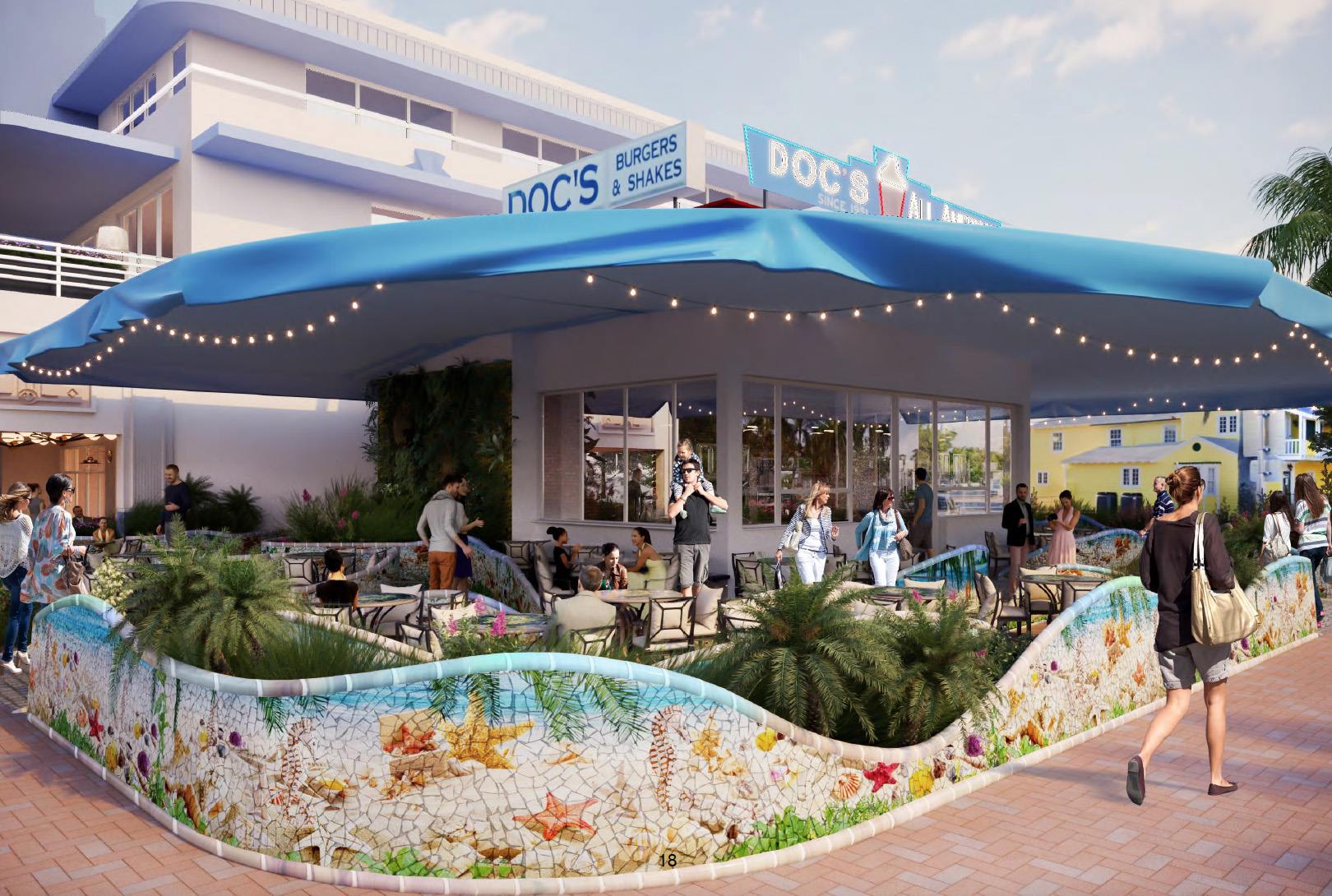
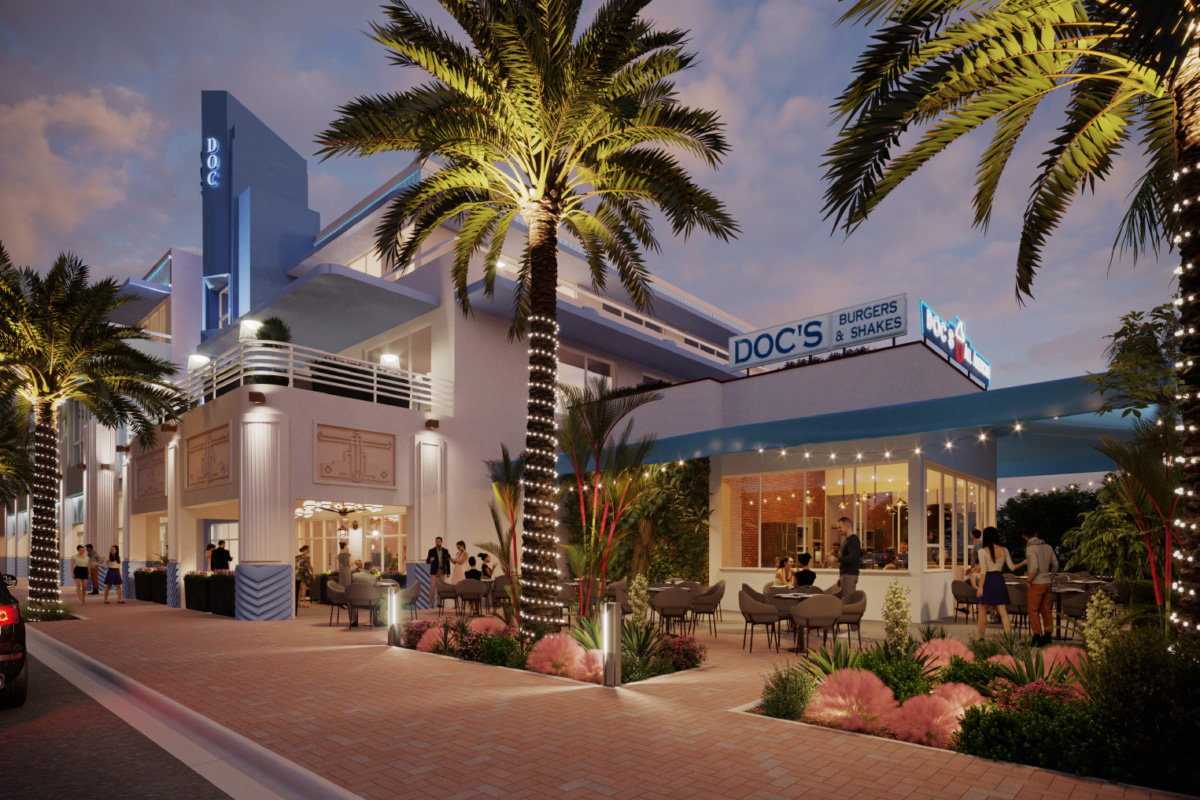
Rendering of the new Doc’s

With one iconic Delray Beach institution—Old School Square—in play, the fate of another goes before the city commission today.

That would be Doc’s, the retro burgers-fries-soft ice cream restaurant just north of the intersection at Swinton and Atlantic avenues. Last year, the city rejected a proposal that would have preserved Doc’s in exchange for allowing a three-story office building on the adjoining property that faces West Atlantic Avenue. The developer, which owns both properties, is back with a new version.

It has two parts, both of which are on the agenda for today’s meeting. The first would place Doc’s on the Local Register of Historic Places, ensuring that no owner could tear down the building and, say, put up a McDonald’s. The second would allow construction of that office building on land now home to a Dunkin’ Donuts.

The linkage is important. Commissioners opposed the previous version in large part because—without the historic designation—there was no guarantee that the developer would preserve Doc’s after getting approval for the office building. Designation would ensure Doc’s continued existence.

“This is the next step in the evolution of Doc’s,” said Neil Schiller, the attorney who represents the developer. Regarding the changes since last year, Schiller said, “We believe that we have done what we said we would do.”

Though there would be much debate about the proposal anyway, another factor could be the developer. It’s Steve Michael, who originally proposed the project known as Midtown that has become Sundy Village under different ownership. Some critics believe that Michaels didn’t pay due consideration to the historic properties within the project.

With Doc’s, Schiller said the new proposal “softens” the Art Deco architectural style that some found off-putting. Doc’s itself will be “more prominent when you’re looking west from Old School Square.” Michael, Schiller said, will hire “a restaurant group” to run Doc’s. Schiller said the developer also has reduced the square footage of the office building.

Critics might complain that Doc’s would be part of the overall project, not a free-standing building. Schiller responds that this plan “keeps Doc’s Doc’s.” And Delray Beach needs more office space. That’s one reason the Downtown Development Authority supports the project.

Some commissioners might try to have it both ways, by supporting the designation while opposing the land-use change. The designation vote comes before the land-use vote. But without the office building, there is no project—and no guarantee of keeping Doc’s Doc’s.

This is the first reading for the three proposals. If they advance, there will be a presentation and public comment at the second reading. If the land-use items fail, the project dies.

Commissioner Ryan Bolyston opposed the first version. He called this one “great,” even though he would have preferred Doc’s as a stand-alone structure.

But Boylston emphasized that linkage. If you want to save Doc’s, he said, “You can’t have one without the other.”

I-95 toll lanes coming soon

Toll lanes on Interstate 95 south of Palmetto Park Road could be open very soon.

The Florida Department of Transportation (FDOT) expects completion of the $102 million stretch from Southwest 10th Street in Deerfield Beach to south of Glades Road this fall. An FDOT representative said Monday that work should be done Oct. 29 “weather permitting.” On that schedule, toll collections for that section would begin “later this year.”

Two lanes in each direction will be for drivers willing to pay for the exclusivity. Prices will be much higher during rush hour and lower during off-peak times. Other drivers will have three lanes northbound and southbound.

The other Palm Beach County phase, costing $148 million, will extend the toll-lane format to Linton Boulevard. According to FDOT, the work is nearly 60 percent done, with completion estimated in late 2023. Part of the work involves replacing the overpass at Clint Moore Road. The representative said the new structure should be in place next summer.

A key feature of the I-95 work is the new interchange at Glades Road. It is a Diverging Diamond Interchange, which will require drivers at times to be on the left side of the road. Traffic engineers believe that the unusual design will allow more vehicles to move more quickly through one of the county’s biggest chokepoints.

FDOT estimates that the new interchange will be ready in late 2022 or early 2023—again, “weather permitting.” But the representative said other work on Glades Road would continue until late 2023.

Holocaust exhibition in Delray

Beginning Wednesday and lasting until Nov. 17, the Delray Beach Library will host a timely, significant exhibition.

It’s called “Americans and the Holocaust,” the touring version of the exhibition that opened in April 2018 at the United States Holocaust Museum in Washington, D.C. After its debut in Delray Beach, the tour will continue to 50 other libraries in the U.S. until 2023.

Espcially since the murder of George Floyd last year, there has been discussion throughout the country about America’s history when it comes to oppressed and marginalized people. This exhibition continues that scrutiny.

As a news release states, “Based on extensive new research of that period, ‘Americans and the Holocaust’ addresses important themes in American history, exploring the many factors—including the Great Depression, isolationism, xenophobia, racism and antisemitism—that influenced decisions made by the U.S. government, the news media, organizations, and individuals as they responded to Nazism. This exhibition will challenge the commonly held assumptions that Americans knew little and did nothing about the Nazi persecution and murder of Jews as the Holocaust unfolded.”

During its time in Washington, the exhibition generated much debate. Here is a review from the HistoryNet website:

“Americans and the Holocaust” highlights evidence of American apathy and racism toward not only Jews but African and Asian Americans within its own borders—including legalized segregation, Jim Crow laws, and Japanese-American internment— as well as indifference to news reports of the Nazis’ increasingly violent anti-Semitic rule.

“Through interconnecting rooms, visitors can explore a timeline of historical displays featuring coverage of Nazism through American newspapers, newsreels, and film that evidences the mounting pressure for Washington to respond as Hitler’s bloody campaign peaked. Each section contains interactive displays, photos, videos, documents, and short documentaries on wartime views of Nazism.

“As news headlines spotlighted Nazi Germany’s ill treatment of its own citizens throughout the 1930s, the Roosevelt administration stayed uncomfortably silent. One possible reason for that is shown in a display of a 1938 poll revealing that two-thirds of Americans believed that German Jews were either ‘entirely’ or ‘partly’ to blame for their own persecution.”

TimberTech Tournament

Despite Florida’s recent, deadly COVID-19 surge, organizers of next month’s TimberTech Tournament in Boca Raton promise something “more like a traditional tournament.”

Because othe pandemic, fans could not attend last year’s event at Broken Sound’s Old Course. Spectators will return for the Nov. 1-7 event along with what Eddie Carbone of Pro Link Sports calls “a full force of volunteers.” Those are the generally anonymous people without whom tournaments would falter. Organizers held a media event on Monday.

TimberTech, which makes products for decks and other exterior structures, signed a three-year deal to sponsor the event through 2023. The tournament, part of the PGA Champions Tour—once known as the Senior Tour—has been played in Boca Raton since 2007. Boca Raton Regional Hospital continues to be what Carbone calls the “primary beneficiary” of the event.

For most of its history, the tournament was held in February. The tour changed its format—again because of the pandemic—and this year’s event will be the second of three to cap the season. The top 36 finishers will go on to the Charles Schwab Cup Championship in Phoenix.

Carbone said AZEK Building Products, TimberTech’s parent company, wants to be “the first zero-waste tournament” on the tour. Specifics, he said, will come soon. Carbone said TimberTech has partnered with the Solid Waste Authority of Palm Beach County.

Cat Control in Delray

In recent years, feral cats were an issue in Boca Raton, bringing out passionate cat people. Now Delray Beach is talking about cats.

On today’s city commission agenda is approval of $25,000 to consider the type of trap/spay/neuter/release program other cities have adopted. The staff memo cites “concerns raised about community cats and the need to respond humanly (sic) and proactively.” The city would work with Palm Beach County Animal Care and Control, the Peggy Adams Animal Rescue League and Purzzilla Cat Rescue, Inc.

The memo cites the county’s ordinance for controlling “community cats.” They must be on private property. All such cats shall be vaccinated against rabies, sterilized and implanted with a tracking microchip. And all “caregivers shall make reasonable attempts to remove young kittens from the field for domestication.”

Good luck.

Link: New Plan To Preserve Doc’s Heads to Delray City Commission
Auther: Randy Schultz

Ministerial privilege: Would Tony Blair’s transfer tax loophole work in the US?

Pandora Papers reveal the former PM’s slick trick for avoiding £300K in taxes on his London townhouse

Tony Blair avoided property transfer tax on a £6.45 million townhouse. Can American buyers do the same? (Getty, iStock)

Last year, Americans bought $1 billion worth of whisky and $6.5 billion of vehicles from the UK. But this week’s Pandora Papers leak revealed another British export that might hook wealthy Americans: creative tax avoidance.

On Sunday, the Guardian reported that former Prime Minister Tony Blair dodged more than £300,000 in property transfer taxes when he and his wife purchased a £6.45 million London townhouse. Nothing they did was illegal: the couple simply exploited a loophole in British tax law that doesn’t levy stamp duties on business purchases the way it does real property acquisitions.

In 2017, the Blairs set up a British company and used it to acquire an LLC registered in the British Virgin Islands, which owned the townhouse. The Blairs then dissolved the BVI firm, bringing the property under their company’s control without ever technically purchasing the townhouse itself.

In the U.S., with its sea of shell companies and authorized signatories — and its rich tradition of tax avoidance — could an intrepid buyer pull a similar stunt?

“Can that be utilized here? It depends on what state,” said Chris Curtis, an attorney at Chaves Perlowitz Luftig who specializes in estate planning and trusts and frequently helps clients set up offshore companies for their assets. The structure is particularly popular for foreign buyers of American property, who receive much lower estate tax exemptions when they die than U.S. citizens do.

In New York, buying a controlling interest — 50 percent or more — in a property-owning company constitutes a real estate transfer. Even if the shares are acquired in separate transactions from different sellers — say, 25 percent in June and another 30 percent a year later — so long as the shares add up to a controlling interest, it’s transfer tax time. The state adds up all shares acquired within three years of one another.

A particularly shrewd buyer may set up separate LLCs and divvy up his shares between them, so that no one company owns a controlling interest. But still, under New York’s tax code, LLCs must disclose their owners. Even if the LLC is owned by another LLC, the disclosures must continue up the ladder until an actual, warm body is revealed.

As of April, REITs and publicly-traded companies who are members of an LLC no longer need to name their shareholders in this filing. It’s unclear whether that would allow such a multi-company workaround.

Even though Blair’s scheme wouldn’t pass legal muster in New York, that doesn’t mean it could never happen.

“It’s a ‘catch ‘em if you can’ mentality,” said Ross Levine, a founding partner at Schwartz Levine Stark. With anonymity so commonplace in New York property ownership, it’s ultimately up to the lawyers preparing the owner’s forms to ensure proper disclosure. That can get tricky when LLCs stack up like Russian nesting dolls.

Still, personal incentives might outweigh potential tax savings.

“Even if you have it layered, there could be a trace back to that person — if, of course, it’s papered,” said Levine, referring to a document such as an amended operating agreement, which would explicitly lay out what percentage of the company each shareholder owns. “But who the hell wouldn’t want that papered?” he said.

Even a fraudster would want proof of ownership when it comes to an asset as large as a building. “If you’re spending millions of dollars, you’re going to want a paper that shows you have an interest in that property,” said Levine.

Curtis and Levine agree that there’s nothing inherently wrong with stashing assets in LLCs. But there’s room for abuse.

“The system isn’t necessarily broken, but it does rely upon the fiduciaries to honor the tax code and do the right thing,” said Levine.

California’s system works largely the same as New York’s, triggering a property transfer tax when a person buys 50 percent or more of a property-owning LLC. It also leaves a similar onus on self-reporting, which means Blair’s scheme would be illegal, though not impossible, in the Golden State.

“It’s an honor system somewhat, because there’s no deed that’s filed when you buy an LLC. But you’re required to pay the property tax unless there’s an exemption,” said Brad Cohen, partner at JMBM in Los Angeles.

“I don’t advise people to cheat their taxes just because there’s a good chance they’re not going to get caught,” he added. “And there’s people that’ll charge a lot less than me to tell them that.”

As is tradition, things are a little more freewheeling in Florida.

In theory, the state has required sellers to file a disclosure with the Department of Revenue any time someone buys a single-purpose LLC that owns real estate for at least five years. In theory, the department then loops in the local property appraiser, who — in theory — applies the proper transfer taxes.

“In practice, very few follow the law, and could get into serious trouble if they were found to have violated the law,” said Keith Poliakoff, founder and managing partner of Government Law Group in Fort Lauderdale.

Just as in New York and California, the loophole no longer exists, but enforcement often hasn’t kept up with buying activity. The fallout has been particularly brazen in Florida.

“There’s no way around the law, but the reality is people don’t tend to follow the law, either because people don’t know the law exists, or they’re trying to commit an illegal act,” said Poliakoff.

Especially during the pandemic, with out-of-towners descending on Florida, Poliakoff has noticed sellers coaxing unaware buyers to just purchase their ownership LLCs. With lax enforcement and unwitting buyers, some may be breaking the law without even knowing it.

“People buy drugs illegally all the time too. Both are breaking Florida law,” said Poliakoff.

Link: Ministerial privilege: Would Tony Blair’s transfer tax loophole work in the US?
Auther: Joe Lovinger

City Commissioner Joins Government Law Group As Partner

Fort Lauderdale-based boutique firm Government Law Group announced on Friday the addition of a City of Parkland commissioner to its ranks.

Jordan B. Isrow moves to the government-affairs outfit as a partner. He recently worked as general counsel for international cosmetics contract manufacturer Oxygen Development LLC and sat on its executive committee.

“We welcome Jordan to Government Law Group where he will be a valuable resource in assisting our clients with their business and legal needs,” founding partner Keith Poliakoff said in a statement. “From his time as general counsel to his significant experience litigating in state and federal court, to his role as commissioner for the City of Parkland, Jordan brings a wealth of experience and wide-ranging perspectives to Government Law Group and its clients.”

In his role at Government Law Group, Isrow will handle complex litigation, corporate counseling and representation of municipalities.

“I thoroughly enjoyed my role as general counsel at Oxygen Development and wasn’t looking for other opportunities,” Isrow told Law360 on Monday. “However, when I learned two powerhouse attorneys and former colleagues, Keith Poliakoff and Neil Schiller, were joining forces to start Government Law Group, I realized this was the perfect platform for me to leverage my diverse experience in business, law and government to help build something special and assist a broader array of clients in accomplishing their goals.”

At Oxygen Development, Isrow oversaw the company’s legal department and was responsible for its global regulatory compliance and risk management initiatives. Additionally, he helped manage contracts, craft policies and implement operating procedures.

Before serving as general counsel at Oxygen Development, he worked as a litigator at Berger Singerman as well as Arnstein & Lehr LLP, as the firm was known at the time. He also previously served as an assistant attorney general in the New York State Office of the Attorney General, where he worked out of its social justice division in its litigation bureau.

Isrow currently serves as District 2 Commissioner for the City of Parkland. The commissioner role is an elected position that helps create the city’s policies and appoints a city manager to oversee daily operations. Isrow’s term as District 2 Commissioner runs until November 2022. He earned his bachelor’s degree from the University of Florida and his law degree from the University of Miami.

The Government Law Group was launched in April by four former Saul Ewing Arnstein & Lehr LLP attorneys: government affairs lawyers Poliakoff and Neil Schiller, trial lawyer Alan G. Kipnis and land use and eminent domain lawyer Richard Dewitt. The firm has offices in Fort Lauderdale and West Palm Beach.

–Editing by Dave Trumbore.

Link: City Commissioner Joins Government Law Group As Partner
Auther: Matt Perez

Are you ready for a 3D-printed house? They’re cheaper, stronger and long-lasting, developers say

The three-bedroom, two-bath home has a corduroy-patterned exterior, rounded corners — and a cement pour that oozed from an industrial-sized toothpaste tube. And most intriguing of all, it comes from a 3D printer.

When the house is finished around November, Kyndra and James Light, a husband-wife development team, will be asking between $175,000 and $225,000 for the 1,440-square-foot dwelling.

The printed homes are said to be quicker to make, stronger, and resistant to such Florida hazards as mold, hurricanes and flooding. And most crucial of all: They seem poised to offer affordable housing in a state where many have forgotten there can be such a thing.

But to see for yourself, South Floridians will need to saddle up and head for Tallahassee to inspect the house, which the Lights say is the only permitted 3D-printed home in Florida.

We’re all becoming used to hearing about such 3D printed objects as face masks, jewelry, jet engines, construction equipment and even guns. It’s a method of developing a three-dimensional object, layer by layer, through the use of computer-generated designs.

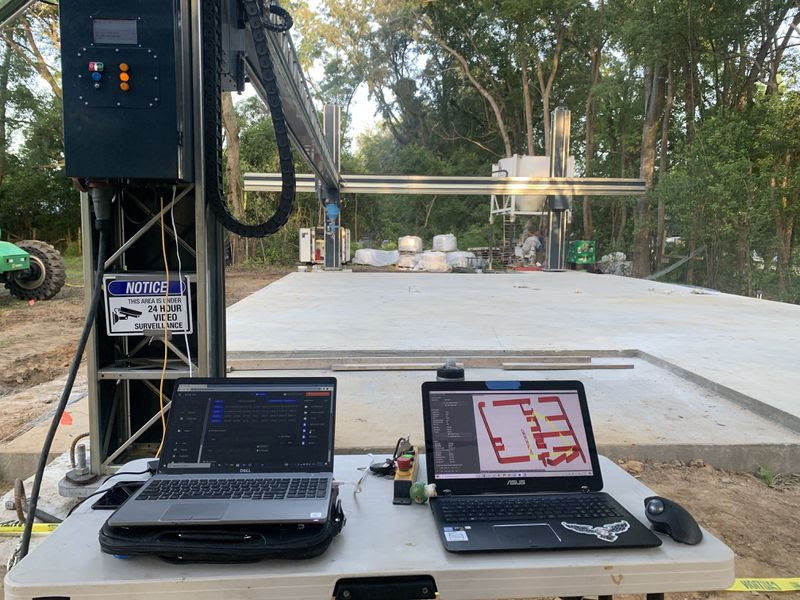
The 3D homebuilding process is similar, but the printer itself looks less like those becoming more common in workplaces, and more like an oversized car wash. The printers weigh almost a couple of tons, cost between $500,000 and $700,000, and include sophisticated computer programs to control construction. They feed instructions to racks — which can range in size from 10 feet long by 10 feet high, to 100 feet by 100 feet. Attached to the racks is a spout, which goes back and forth over the site directing the premixed cement according to the design. The mix then hardens into a concrete structure.

“Make no mistake, these houses are not your average test models,” said the Lights, owners of Precision Building & Renovating, which is based in the state capital. “The finished product is far superior in strength, durability, and efficiency.”

3D-printed homes could be the answer to Florida’s long-standing affordable housing shortage. But Tallahassee developers James and Kyndra Light, who say they are building the only permitted 3D home in the state thus far, say it will take a wider availability of printing technology for the homes to take hold in the market. (Precision Building & Renovating,/Courtesy)

From coast to coast, 3D-printed homes are gaining ground as a possible alternative to making housing more affordable in cities roiled by exploding prices and thinning inventories. The idea is to cut production time and labor costs and sell solidly built homes at prices that lower-income earners can afford.

Other 3D home projects around North America include:

  • A two-bedroom, two-bath printed home in Riverhead, N.Y., listed this summer at $299,999.
  • Four homes in Austin, Texas, that were scheduled for occupancy over the summer.
  • 15 “eco-friendly” homes being built near Palm Springs, Calif.
  • And In Mexico, a 3D-printed neighborhood for families living on $3 a day.

Approval in Tallahassee

The Tallahassee home project has attracted lots of attention from a visitors including state lawmakers, as well as support from the city, Kyndra Light said.

“The City of Tallahassee has been extremely supportive of the project,” she said. “We made sure we did our homework so we presented them with something that was a viable option.”

James Light said the couple spoke frequently over two years with city code officials, commissioners and local agencies.

“Tallahassee being the state capital, there are a lot of representatives up here — that kind of helped,” he said. “That was a spark of interest: ‘Hey, here’s a solution to a major problem I have.”

That problem is affordable housing.

The project is funded in part through the City of Tallahassee’s affordable housing construction loan program. Once completed, the home’s price will be capped at 80% of the area’s median income.

The cost to maintain the home will be less than a standard wood-frame home, the Lights said.

“Wood breaks and wood rots, especially here in the South,” James Light said. “In time, we will be able to offer investment opportunities for families that are more accessible, and with a longer range of return.”

The printing machine used by Printed Farms of Wellington, whose workers and equipment laid out and poured the mix for a 3D printed home under construction in Tallahassee. (Precision Building & Renovating,/Courtesy)

Wellington firm in the vanguard

While no 3D homes appear to be on the immediate horizon in South Florida, the company that poured the concrete for the Tallahassee project is based in Wellington, and has several Florida projects in the works, the owners said in an email.

Jim Ritter and Fredrik Wannius, co-founders of Printed Farms, accepted delivery of their first printing machine in August 2020 from Denmark.

The “closed shell construction system,” Wannius said, “produces a hurricane-, flood-resistant building taking sheet rock out of the walls and using an almost water-impermeable print material.”

“The material arrives in super sacks and is loaded into a silo,” he added. “The material is mixed [in the system] with water and pumped into the hopper of the 3D printer.”

He said a 1,540 square foot home can be produced in two to three weeks, depending on inspections, roof system and whether exterior window and doors are installed.

“This is from forming the slab to covering of the roof, he said. “We can print the walls in four to five days.”

Wannius said his firm has not encountered any local building code problems to date,

“Our buildings have superior materials and are stronger than most current building methods,” he said.

He added that the firm intends to build a luxury 4,500 square foot house on the Intracoastal Waterway in Lake Worth.

“We are approved for design and moving forward on structural engineering,” he said. “This will prove that building high-end and luxury homes is cheaper and better quality then conventional. We feel we are more resistant to mold, hurricane and flood. Our freedom of design makes the cost much lower because curves don’t add expensive forming costs. This home will have the first 3D-printed pool.”

Wannius said Printed Farms is also in negotiations to build a two-story house in Tampa for a client, and is looking to build a single-family home for the University of Miami, an AirBnB for another client and a luxury horse farm in 2022.

“Those projects have been hand-picked from 600 requests since February,” he said.

South Florida may have to wait

Despite the rising levels of interest, real estate and development experts in Broward, Palm Beach and Miami-Dade counties said would-be buyers in the region will probably have to wait at least two to three years before 3D homes make a significant splash in the tri-county area.

“The housing industry hasn’t changed its overall methods of building homes in the past 50 years,” said Brad Hunter, president of Hunter Housing Economics in West Palm Beach. “Innovations like 3D and modular construction will start to gain popularity.”

“I think that there’s going to be an accelerated pace of innovation in housing in the next five to 10 years,” he said.

Mike Pappas, CEO of The Keyes Co. real estate services firm, agreed that 3D has a future.

“I think we are in the embryonic stage. The car is just starting to run,” he said. “There are people who are betting big on it. They are seeing this as the future. I heard the strength of the building because of the poured concrete is actually stronger than a typical home.”

The biggest potential holdup is that local building codes do not address 3D homes, lawyers told the South Florida Sun Sentinel.

“There are differences between us in the tri-county area and the Tallahassee neighborhood where that couple built their home,” said Fort Lauderdale attorney Keith Poliakoff of the Government Law Group.

The main difference is that hurricane-vulnerable South Florida is in a high-velocity wind zone. Projects need statewide or local approvals to ensure they meet stringent building codes.

“While the technology is novel … it’s still a little bit off for them to be commonly used throughout the tri-county region for hurricane reasons and the ability to build larger structures,” Poliakoff said.

But Kyndra Light said 3D homes can arrive on a mass scale faster if builders, developers, regulators and others act in concert to make them happen.

“If we can all lock arms and walk down the Yellow Brick Road, so to speak, that is what it will take,” she said.

Link: Are you ready for a 3D-printed house? They’re cheaper, stronger and long-lasting, developers say
Auther: DAVID LYONS